Living near Florida’s coastline offers many benefits. Homeowners enjoy beautiful views, ocean breezes, and easy access to beaches. However, coastal living also comes with unique challenges, including increased exposure to moisture and humidity.
At On The Spot Restoration, we regularly help homeowners address the mold risks for coastal homes in Florida. Coastal environments create ideal conditions for mold growth, especially when moisture problems go unnoticed. Understanding these risks can help homeowners protect their properties, improve indoor air quality, and prevent costly mold damage.
Key Takeaways
- Coastal homes face higher mold risks due to humidity and ocean moisture.
- Hidden mold growth often occurs in attics, crawl spaces, and behind walls.
- Water damage from storms and hurricanes increases mold infestation risks.
- Poor ventilation can trap moisture and worsen indoor humidity.
- Early mold detection and prevention help protect your home and health.
Why Coastal Homes in Florida Are More Vulnerable to Mold
Coastal homes experience environmental conditions that encourage mold growth. High humidity, salty air, and frequent rain create constant exposure to moisture. As a result, Florida homeowners face greater mold challenges than those in many inland areas.
Moisture does not always appear as standing water. In many cases, humidity alone creates enough condensation for mold spores to thrive. Over time, this hidden moisture can penetrate drywall, insulation, and wood framing.
Because mold spores naturally exist in the environment, they only need moisture and organic material to begin growing. This is why understanding the mold risks for coastal homes in Florida is so important for long-term property protection.
How Florida Humidity Fuels Mold Growth
Florida is known for its high humidity levels. While humidity may seem harmless, it is one of the leading causes of mold growth in Florida homes. When indoor humidity remains elevated, moisture accumulates on surfaces and inside building materials.
This process often occurs without homeowners noticing. Condensation may develop around windows, inside walls, or within HVAC systems. Over time, these damp conditions allow mold spores to colonize.
Common areas affected by humidity include:
- Bathrooms
- Laundry rooms
- Attics
- Crawl spaces
- HVAC ductwork
Additionally, poor air circulation worsens the problem. Without proper ventilation, moisture remains trapped inside the home, increasing the likelihood of mold infestation.
Homeowners concerned about mold-related health issues may find our article “Can Mold Make You Sick? Symptoms Homeowners Should Know” helpful for understanding the effects of mold exposure.
The Biggest Mold Risks for Coastal Homes
Coastal homes face several unique mold threats. While humidity plays a major role, other environmental factors also contribute to mold growth. Understanding these risks allows homeowners to take preventive action.
Salt Air and Moisture Intrusion
Salt air is a constant presence in coastal regions. While it may seem harmless, salt air attracts and retains moisture. This moisture can settle on building materials and contribute to hidden mold growth.
Over time, moisture intrusion may occur through small openings around windows, doors, and roofing systems. Once moisture enters the structure, mold can begin developing inside the walls and ceilings.
Hidden Mold in Attics and Crawl Spaces
Attics and crawl spaces are among the most common locations for hidden mold. These areas often experience poor ventilation and fluctuating humidity levels.
Because homeowners rarely inspect these spaces regularly, mold can spread undetected for months. Hidden mold growth may eventually impact indoor air quality and lead to structural deterioration.
Water Damage After Storms and Hurricanes
Florida’s coastal communities frequently experience severe weather. Hurricanes, tropical storms, and heavy rainfall often result in water intrusion.
Even minor water damage can create ideal conditions for mold growth. In fact, mold can begin developing within 24 to 48 hours after exposure to water.
For more information, homeowners can explore our guide “How Quickly Does Mold Grow After Water Damage in Florida.”
Poor Ventilation and Indoor Humidity
Ventilation plays a critical role in controlling moisture. Unfortunately, many coastal homes struggle with poor airflow.
When humid air becomes trapped indoors, condensation develops on walls, ceilings, and HVAC components. This creates a favorable environment for mold spores to multiply.
Signs of Mold in Coastal Homes
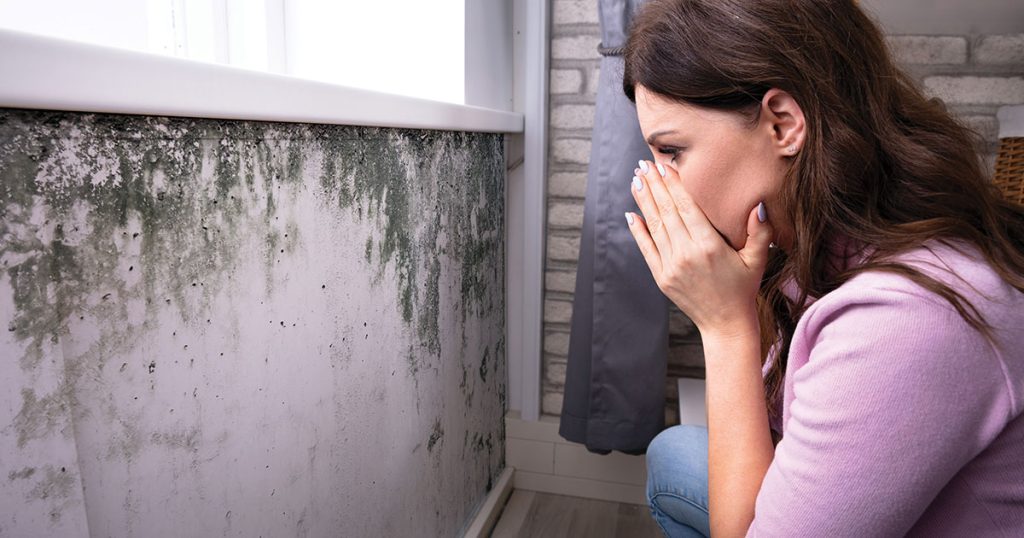
Recognizing mold early can prevent extensive property damage. Unfortunately, mold is often hidden behind walls or beneath flooring. As a result, homeowners may not discover the problem until symptoms become noticeable.
Several warning signs may indicate mold growth:
- Persistent musty odors
- Visible discoloration on walls or ceilings
- Peeling paint or wallpaper
- Increased allergy symptoms indoors
- Damp or humid indoor conditions
These signs often suggest hidden mold growth within structural materials. If you notice any of these symptoms, professional evaluation is recommended.
Homeowners can also learn more by reading “The Common Signs of Mold Growth You May Not Know.”
How to Prevent Mold Growth in Florida Coastal Properties
Preventing mold is often easier and less expensive than remediation. By controlling moisture and maintaining proper ventilation, homeowners can significantly reduce mold risks.
Several prevention strategies are particularly effective:
Control Indoor Humidity
Use dehumidifiers to maintain indoor humidity levels below 60%. Lower humidity reduces condensation and limits opportunities for mold growth.
Address Water Leaks Immediately
Even small plumbing leaks can create hidden moisture problems. Prompt repairs help prevent mold from developing behind walls and under flooring.
Improve Ventilation
Proper airflow helps remove excess moisture from bathrooms, kitchens, and laundry areas. Exhaust fans and well-maintained HVAC systems are essential.
Schedule Regular Inspections
Routine inspections can identify moisture issues before they become major mold infestations. Professional assessments often uncover hidden moisture problems that homeowners miss.
For additional prevention tips, visit our guide “The Ultimate Mold Prevention Checklist for Florida Homeowners.”
When to Call a Mold Remediation Professional
Some mold problems are too extensive to handle without professional assistance. Hidden mold growth behind drywall, inside attics, or within crawl spaces often requires specialized equipment and expertise.
Professional mold remediation services can:
- Locate hidden mold colonies
- Identify moisture sources
- Improve indoor air quality
- Remove contaminated materials
- Prevent future mold growth
At On The Spot Restoration, we use advanced detection tools and proven remediation techniques to restore healthy indoor environments.
Homeowners concerned about hidden mold may also find our article useful for understanding concealed mold risks.
Protect Your Coastal Home From Mold Damage
The mold risks for coastal homes in Florida are real, but they can be managed with proactive maintenance and early intervention. Coastal humidity, moisture intrusion, storm damage, and poor ventilation all contribute to mold growth. However, homeowners who understand these risks can take effective steps to protect their properties.
Regular inspections, moisture control, and prompt repairs help reduce the likelihood of mold infestation. Most importantly, addressing issues early can prevent expensive repairs and improve indoor air quality.
Frequently Asked Questions
Why are coastal homes in Florida more prone to mold?
Coastal homes in Florida are more prone to mold because of high humidity, frequent rain, ocean moisture, and salt air exposure. These conditions create damp environments that allow mold spores to grow on drywall, wood, insulation, and other building materials.
How does Florida humidity contribute to mold growth?
Florida's high humidity levels increase indoor moisture, which encourages mold growth. When humidity remains above 60%, condensation can form inside walls, attics, and crawl spaces. This trapped moisture creates ideal conditions for mold infestation and poor indoor air quality.
What are the most common signs of mold in coastal homes?
Common signs of mold in coastal homes include musty odors, visible mold spots, peeling paint, water stains, warped drywall, and increased allergy symptoms. These warning signs often indicate hidden mold growth caused by moisture intrusion or high indoor humidity.
Can salt air cause mold growth in Florida homes?
Salt air does not directly cause mold, but it attracts and retains moisture. This extra moisture can settle on surfaces and contribute to condensation inside coastal homes. Over time, these damp conditions increase the risk of mold growth and moisture-related damage.
How can homeowners prevent mold in coastal Florida properties?
Homeowners can prevent mold by controlling indoor humidity, fixing leaks quickly, improving ventilation, and scheduling regular inspections. Using dehumidifiers and addressing water damage immediately can significantly reduce mold risks and help maintain healthy indoor air quality.
Contact On The Spot Restoration for Coastal Mold Solutions
If you suspect mold growth in your coastal home, do not wait for the problem to worsen. Hidden mold can spread quickly and impact both your property and your family’s health.
At On The Spot Restoration, we specialize in mold inspection, mold remediation, and moisture control solutions for Florida homeowners. Our experienced team understands the unique challenges of coastal living and can help keep your home safe, healthy, and mold-free.
Contact On The Spot Restoration today to schedule a professional mold inspection and protect your coastal home from long-term mold damage.