Air Duct Cleaning
Professional duct cleaning and sanitizing for healthier indoor air — especially critical after water, fire, or mold damage.
Indoor Air Quality Experts
Your Ducts Are the Lungs of Your Home
The average home accumulates 40 pounds of dust per year — and much of it ends up inside your duct system, recirculating through your living spaces every time the HVAC runs. Over time, that buildup includes dust mites, pet dander, pollen, mold spores, and bacteria.
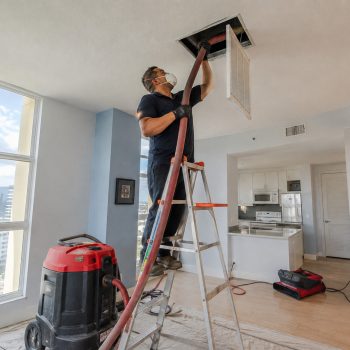
On the Spot Restoration uses commercial-grade negative pressure equipment and EPA-registered antimicrobials to thoroughly clean and sanitize your entire duct system — from the main trunk lines down to every register boot.
We specialize in post-restoration duct cleaning — an often-overlooked step after water, fire, or mold damage where contaminants enter the duct system and must be removed before the space is considered truly clean.
What We Clean
Supply air ducts
Return air ducts
Main trunk lines
Air handler
vent covers
Drain pan
Flex duct connections
Boots and collars
Post-Restoration Cleaning Available
After water, mold, or fire remediation, duct cleaning is a critical final step to ensure contaminants don’t re-enter cleaned spaces.
Know the Signs
8 Signs Your Ducts Need Cleaning
Most homeowners wait too long between duct cleanings. Watch for these warning signs that your duct system is overdue for service.
Visible dust blowing from vents when system starts
Musty or stale odors coming from registers
Unexplained spike in energy bills
Visible mold growth inside or around vent covers
Uneven heating or cooling room to room
Excessive dust on furniture shortly after cleaning
Recent water intrusion or flood event
Worsening allergy or asthma symptoms indoors
Why It Matters
Benefits of Professional Duct Cleaning
Improved Indoor Air Quality
Remove years of accumulated dust, allergens, pet dander, and debris that recirculate through your home every time the system runs.
Better HVAC Efficiency
Clean ducts allow air to flow freely, reducing strain on your system and lowering monthly energy bills.
Mold & Bacteria Elimination
Moisture in ducts creates ideal conditions for mold growth. We sanitize and treat duct interiors to stop contamination at the source.
Reduced Allergy & Asthma Symptoms
Pollen, mold spores, and dust mites trapped in ducts can worsen respiratory conditions. Clean ducts mean cleaner air with every breath.
Eliminates Musty Odors
Stale, musty smells from your vents often point to biological growth inside the duct system. Cleaning and sanitizing removes odor at the source.
Post-Restoration Necessity
After water, fire, or mold damage, contaminants enter the duct system. Cleaning is critical to prevent re-contamination of the restored space.
Our Process
6-Step Duct Cleaning Process
We follow a systematic approach that ensures every section of your duct system is thoroughly cleaned — not just the visible registers.
1
System Inspection
Visual inspection of all supply and return vents
Camera inspection of main trunk lines when needed
Identify blockages, mold growth, or damage
Document baseline conditions before cleaning
2
Equipment Setup
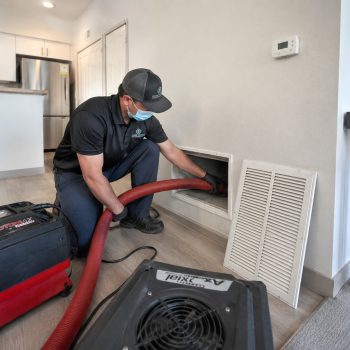
High-powered negative pressure machine connected to the system
HEPA-filtered vacuum containment to capture all debris
Seal all registers except the one being cleaned
Protect floors and furnishings near work areas
3
Duct Cleaning
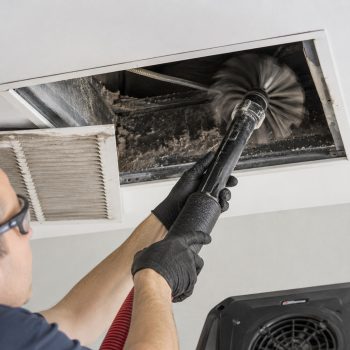
Agitate debris in each duct branch with rotating brushes
Compressed air whipping tools dislodge stuck-on buildup
Work register-by-register through every supply and return
Negative pressure pulls all loosened debris into containment
4
Sanitizing & Treatment
EPA-registered antimicrobial fogger applied throughout duct system
Eliminates bacteria, mold spores, and odor-causing organisms
Optional deodorizing treatment available upon request
Safe for all duct materials including flex duct and sheet metal
5
Unit Cleaning
Clean accessible blower compartment components
Wipe down supply and return vent covers
Inspect and clear drain pan of debris
Final check of all registers before reopening system
6
Post-Cleaning Verification
Visual confirmation of clean duct interiors at each register
System run-test to confirm unrestricted airflow
Before-and-after documentation provided
Recommendations for future maintenance intervals
Post-Restoration Protocol
Always Clean Ducts After Water, Fire & Mold Damage
When a property suffers water intrusion, a fire, or mold contamination, the duct system becomes a highway for contaminants to spread. Smoke particles, mold spores, and soot settle inside the ductwork and continue circulating long after the primary damage is addressed.
As a full-service restoration company, On the Spot Restoration can coordinate duct cleaning as part of your complete remediation project — ensuring your property is truly restored to a safe, healthy condition before you return.
After Water Damage
Moisture enters ducts during flooding or leaks, creating ideal conditions for mold to grow inside the system
After Fire & Smoke
Soot and smoke particles infiltrate the entire duct network, causing persistent odor and air quality issues.
After Mold Remediation
Spores disturbed during remediation can enter duct systems. Cleaning and sanitizing prevents re-contamination.
Common Questions
Frequently Asked Questions
How often should air ducts be cleaned?
The EPA and NADCA recommend every 3–5 years for most homes. However, if you have pets, allergies, recent construction, or experienced water or mold damage, more frequent cleaning is recommended. After any restoration event, immediate cleaning is advised.
How long does the cleaning process take?
Most residential duct cleanings take 2–4 hours depending on the size of the home and the number of vents. Larger homes or heavily contaminated systems may take longer. We’ll give you an estimate before work begins.
Is duct cleaning covered by homeowners insurance?
When duct cleaning is required as part of a covered restoration claim (after water, fire, or mold damage), it is often covered under the same policy.
Will duct cleaning help my HVAC system last longer?
Yes. Restricted airflow from dirty ducts forces your HVAC system to work harder, increasing wear and shortening equipment lifespan. Clean ducts improve efficiency and reduce strain on your blower motor, heat exchanger, and coils.
Do I need to be home during the cleaning?
An adult should be present to provide system access and confirm the work is complete. The process is non-invasive — we do not cut into walls or remove drywall. All work is done through your existing register openings.
Related Services
Need Restoration Now? We're Available 24/7
Call us any time — day or night — for immediate emergency response across Volusia, Flagler & St. Johns Counties.
Available 24/7 — Day or Night
Call us anytime for immediate emergency response across Volusia, Flagler & St. Johns Counties.