A musty odor in your home is more than just unpleasant. In many cases, it is a sign of hidden mold growth or moisture problems. While air fresheners may temporarily mask the smell, they do not solve the underlying issue.
At On The Spot Restoration, we help homeowners identify and eliminate mold odors at the source. Understanding how to remove mold smell from a house is essential for protecting your indoor air quality and preventing further damage.
The key is not just removing the smell, but addressing what is causing it.
Key Takeaways
- Mold smell is usually caused by moisture and hidden mold growth.
- Musty odors often indicate poor indoor air quality.
- Cleaning alone may not permanently eliminate mold odor.
- Finding the source is critical to solving the problem.
- Professional mold remediation may be required for severe cases.
What Causes Mold Smell in a House
Mold smell does not appear without a reason. It is typically caused by moisture problems that allow mold spores to grow and spread. These spores release gases that create a strong, musty odor.
In many homes, moisture comes from leaks, humidity, or past water damage. When water becomes trapped in materials like drywall or flooring, mold can begin to grow. Over time, this leads to a persistent smell.
Common causes of mold odor in a house include:
- Water leaks from pipes or roofs
- High humidity levels
- Poor ventilation
- Flooding or water damage
- Condensation buildup
If your home has experienced water damage, a mold smell may develop quickly. You can learn more in our blog “Can Mold Make You Sick? Symptoms Homeowners Should Know”, which explains how mold affects indoor environments.
How to Find the Source of Mold Smell
Before you can remove mold smell, you must locate the source. This step is critical because odor removal will not work if the underlying problem remains.
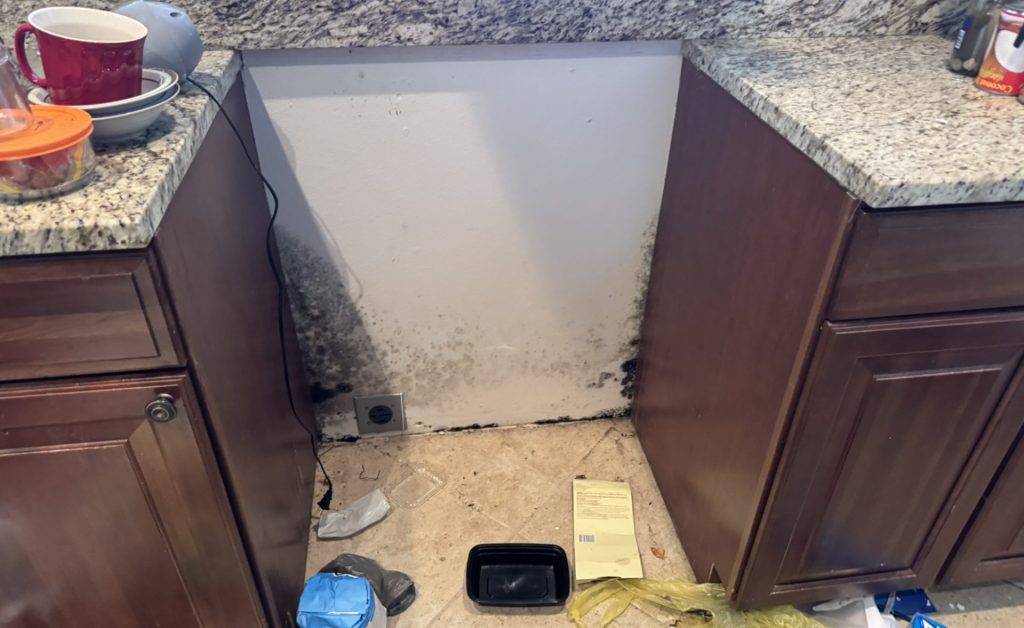
Start by inspecting areas where moisture is common. These include bathrooms, basements, kitchens, and attics. Look for visible signs such as stains, discoloration, or warped materials.
In many cases, mold is hidden. It may grow behind walls, under floors, or inside HVAC systems.
Signs of hidden mold include:
- Persistent musty odor
- Increased humidity indoors
- Allergy symptoms
- Damp or soft surfaces
If you suspect hidden mold, our guide “The Common Signs of Mold Growth You May Not Know” can help you identify early warning signs.
Professional inspections may be necessary to detect mold behind surfaces.
How to Remove Mold Smell Step-by-Step
Removing mold smell requires a combination of cleaning, drying, and odor elimination. While small issues can be handled with basic methods, larger problems require professional attention.
Follow these steps to remove musty smell from your house:
- Eliminate moisture sources
- Fix leaks and reduce humidity levels. Without moisture control, mold will return.
- Improve ventilation
- Open windows and use fans to increase air circulation. Fresh air helps remove odors.
- Use dehumidifiers
- Lowering humidity prevents mold growth and reduces odor.
- Clean affected surfaces
- Use appropriate cleaning solutions to remove mold residue.
- Use odor absorbers
- Baking soda, activated charcoal, and air purifiers can help neutralize smells.
These steps can reduce odor. However, they may not fully eliminate mold smell if hidden mold is present.
Home Remedies for Musty Odor
Some homeowners prefer natural solutions to remove mold smell. While these methods can help with mild odors, they should not replace proper mold removal.
Common home remedies for mold smell include:
- Baking soda to absorb odors
- White vinegar for cleaning surfaces
- Activated charcoal for odor control
- Essential oils for temporary freshness
These methods can temporarily improve indoor air quality. However, they do not eliminate mold growth itself.
If the smell persists, likely, mold is still present. Addressing the root cause is essential for long-term results.
How to Improve Indoor Air Quality
Improving indoor air quality is an important part of removing the mold smell. Poor air circulation allows mold spores and odors to linger inside the home.
Start by increasing airflow throughout your home. Use fans, open windows, and maintain your HVAC system regularly. Air purifiers can also help remove airborne particles.
Additionally, controlling humidity is crucial. Keep indoor humidity levels below 60% to prevent mold growth. This helps reduce both odor and health risks.
If you are concerned about health effects, our article “Black Mold vs Common Household Mold: How to Tell the Difference” explains how different types of mold impact indoor air quality.
How to Prevent Mold Smell From Coming Back
Once you remove mold smell, preventing it from returning is essential. Without proper prevention, moisture problems can cause odors to reappear.
Regular maintenance is key. Inspect your home for leaks and fix them immediately. Keep gutters clean and ensure proper drainage around your property.
Additional prevention tips include:
- Use dehumidifiers in humid areas
- Improve ventilation in bathrooms and kitchens
- Clean and maintain HVAC systems
- Monitor humidity levels regularly
For more prevention strategies, you can read “The Ultimate Mold Prevention Checklist for Florida Homeowners.”
Consistent care helps maintain a fresh, odor-free home.
When to Call Mold Remediation Professionals
In some cases, mold smell cannot be removed with basic methods. This usually means that mold growth is widespread or hidden.
Professional mold remediation is necessary when:
- The odor persists despite cleaning
- Mold is visible on large surfaces
- Health symptoms are present
- Water damage has occurred
At On The Spot Restoration, we use advanced tools to locate hidden mold and eliminate it safely. Our process ensures that both mold and odor are completely removed.
If you are unsure whether you need professional help, it is better to act early. Delaying treatment can lead to more serious problems.
Frequently Asked Questions
What causes a mold smell in a house?
A mold smell is usually caused by excess moisture and hidden mold growth. Water leaks, high humidity, and poor ventilation allow mold spores to grow and release a musty odor. This smell often indicates a deeper moisture problem that needs to be addressed.
How do you remove mold smell from a house permanently?
To permanently remove mold smell, you must eliminate the moisture source, clean affected areas, and remove hidden mold. Using dehumidifiers, improving ventilation, and professional mold remediation are the most effective ways to prevent the odor from returning.
Why does my house smell musty, but I can’t see mold?
A musty smell without visible mold often means mold is hidden behind walls, under floors, or in HVAC systems. Mold can grow in damp, dark areas and still affect indoor air quality even if it is not visible on surfaces.
Can mold smell be harmful to your health?
Yes, mold smell can indicate the presence of mold spores in the air. Exposure may cause symptoms like headaches, coughing, allergies, and respiratory irritation. Prolonged exposure can worsen asthma and affect indoor air quality.
When should I call a professional for mold smell removal?
You should call a professional if the mold smell persists after cleaning, returns quickly, or is accompanied by visible mold or health symptoms. Experts can locate hidden mold, remove it safely, and prevent future moisture problems.
Contact On The Spot Restoration for Mold Odor Removal
If your home smells musty and you cannot find the source, do not ignore it. Mold odors often indicate hidden problems that can worsen over time.
On The Spot Restoration provides expert mold inspection and remediation services. Our team will identify the source of the smell and eliminate it safely.
Call us today or schedule an inspection to remove mold smell from your home and restore fresh, clean air.