
If you’ve never had to do it before, learning how to file a water damage insurance claim can feel confusing at exactly the moment you have the least time to figure it out. At On the Spot Restoration, we help Florida homeowners through this exact process every day, so we know which steps tend to trip people up.
The good news is that the water damage insurance claim process follows a fairly consistent order, no matter who your insurer is. Once you know the steps, filing becomes much less overwhelming, and you’re far less likely to run into delays or surprises.
In this guide, we’ll walk through exactly how to file a water damage insurance claim, step by step, from the moment you spot the damage to the day you receive your settlement. We’ll also share the practical tips our team relies on when helping homeowners through this process.
Key Takeaways
- Filing a water damage insurance claim generally follows seven steps, from stopping the water source to reviewing your settlement.
- Documentation is the single biggest factor in how smoothly your claim goes, so photograph and record everything before cleanup begins.
- Not all water damage is covered the same way — sudden, accidental damage is treated differently than gradual damage or flooding.
- Most claims take a few weeks to settle, though documentation quality and damage severity can speed up or slow down the timeline.
- A professional restoration estimate early in the process can strengthen your claim and help avoid common denial reasons.
Does Homeowners Insurance Cover Water Damage?
Before jumping into the steps, it helps to understand what’s typically covered. Coverage generally depends on how the damage happened.
- Sudden and accidental damage, like a burst pipe or a failed appliance, is usually covered.
- Gradual damage, such as a slow leak from poor maintenance, is usually not covered.
- Flooding from outside your home, like storm surge, typically requires a separate flood insurance policy rather than standard homeowners coverage.
Because these distinctions can get complicated, and because they’re often the reason claims get denied, we’ve covered this in more depth in our guide: Why Water Damage Insurance Claims Get Denied — And How Proper Documentation Helps Florida Homeowners Get Covered. For now, let’s move into the actual steps for how to file a water damage insurance claim.
How to File a Water Damage Insurance Claim: Step-by-Step
Step 1: Stop the Water Source and Prevent Further Damage
Before anything else, stop the source of the water if it’s safe to do so. Most policies require you to take reasonable steps to prevent further damage, so shutting off a valve or moving belongings to a dry area isn’t just smart, it’s often part of your policy’s requirements. For a full walkthrough of what to do in these first critical hours, see our guide: What to Do Immediately After Water Damage.
Step 2: Document Everything Before Cleanup Begins
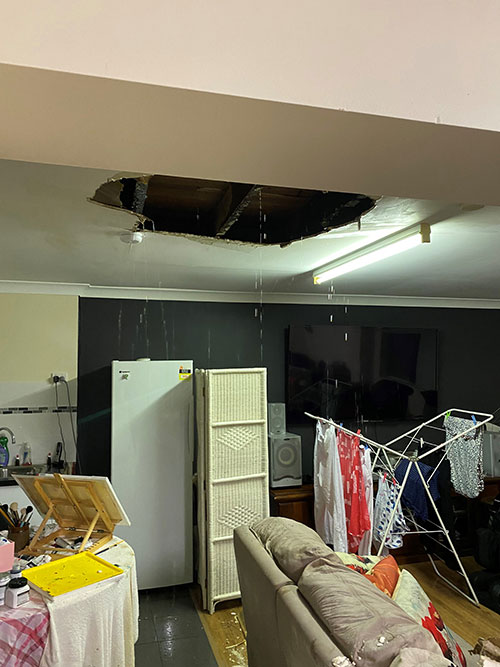
Next, take photos and videos of the damage before you clean up or remove anything. Capture wide shots of each room along with close-ups of specific damage. If possible, note the time you discovered the issue, since this becomes part of your claim documentation and helps establish the timeline.
Step 3: Contact Your Insurance Company to Start the Claim
Once you’ve documented the damage, contact your insurer to begin filing a water damage claim. Most companies let you start this online or by phone. Be ready to share when the damage occurred, what caused it, and a general description of what’s affected.
Filing a Claim? Start With a Professional Inspection
Get documentation and a restoration estimate from the On the Spot Restoration team — available 24/7
across Florida.
Step 4: Get a Professional Restoration Estimate
From here, a restoration estimate from an IICRC-certified company adds real weight to your claim. Our team at On the Spot Restoration provides Water Damage Restoration estimates that confirm the scope of the damage with professional documentation, rather than relying on guesswork, and give you a clear picture of your actual repair costs.
Step 5: Meet With the Insurance Adjuster
After that, your insurance company will usually send an adjuster to inspect the damage in person. It helps to be present for this visit and to walk through your documentation with them. Having your restoration estimate ready at this point can help align their assessment with the actual scope of work.
Step 6: Submit Your Proof of Loss
Depending on your insurer, you may need to submit a formal proof of loss, which is a signed statement detailing the damage and your claimed amount. This step has a deadline, so it’s important to submit it promptly and to keep a copy for your own records.
Step 7: Review the Settlement Offer
Finally, once your insurer reviews everything, they’ll send a settlement offer. Take time to compare it against your restoration estimate and your deductible. If the numbers don’t line up, you can ask questions or request a reconsideration before accepting.
How Long Does a Water Damage Claim Take to Settle?
Most water damage claims take anywhere from a few weeks to a couple of months to settle, depending on the severity of the damage and how complete your documentation is. Straightforward, well-documented claims tend to move faster, while claims involving disputes or extensive damage can take longer.
A few things can speed up the process: submitting clear documentation early, responding quickly to adjuster requests, and having a professional restoration estimate ready from the start. On the other hand, missing paperwork or unclear damage descriptions are common causes of delay.
Common Reasons Water Damage Claims Get Denied
While this guide focuses on the filing process itself, it’s worth briefly touching on why claims sometimes get denied, since avoiding these issues can save you real time and money.
- Insufficient documentation of the damage and its cause
- Damage classified as gradual or the result of neglect rather than a sudden event
- Missed filing deadlines or incomplete paperwork
- Confusion between water damage and flood damage coverage
For a full breakdown of these issues and how to avoid them, see our dedicated guide: Why Water Damage Insurance Claims Get Denied — And How Proper Documentation Helps Florida Homeowners Get Covered
What to Do If Your Water Damage Claim Is Denied or Underpaid
If your claim comes back denied or underpaid, start by requesting a written explanation from your insurer. This tells you exactly what they’re disputing, which makes it easier to respond.
From there, consider getting a second opinion or an independent restoration estimate to support your position. If the disagreement continues, you can file a formal appeal with your insurer. For particularly complex or high-value claims, hiring a public adjuster may also be worth considering, since they specialize in negotiating directly with insurance companies on your behalf.
Water Damage Claim Checklist (Quick-Reference Recap)
- Stop the water source and prevent further damage
- Document everything with photos and videos before cleanup
- Contact your insurance company to start the claim
- Get a professional restoration estimate
- Meet with the insurance adjuster and share your documentation
- Submit your proof of loss before the deadline
- Review your settlement offer against your restoration estimate
Helpful reminder: Even after your claim is filed, mold can begin developing within 24 to 48 hours if water damage isn’t addressed quickly. Starting restoration early protects both your claim and your home.
How On the Spot Restoration Can Help
Filing a claim is only part of the process. As a Florida-based, IICRC-certified restoration company, we help homeowners across Daytona Beach, Ormond Beach, Port Orange, and Palm Coast document damage, prepare accurate Water Damage Restoration estimates, and coordinate directly with insurance adjusters. If mold has developed as a result of the damage, our Mold Remediation services can address that at the same time, so nothing gets missed.
Our goal is to make sure your claim reflects the true scope of your damage, so you’re not left covering costs that should be included in your settlement. Whether you’re just getting started or already working with an adjuster, our team can step in at any stage.
Worried About Your Claim Getting Denied?
Proper documentation makes all the difference. Let our team help you build a strong claim file.
Frequently Asked Questions
How do I file a water damage insurance claim?
Start by stopping the water source and documenting the damage with photos. Then contact your insurer, get a professional restoration estimate, and meet with the adjuster. Submitting your proof of loss on time keeps the process moving.
What does homeowners insurance cover for water damage?
Homeowners insurance typically covers sudden, accidental water damage, like a burst pipe. Gradual damage from long-term leaks or poor maintenance is usually excluded, and flooding from outside your home requires separate flood insurance.
Why do water damage insurance claims get denied?
Claims are often denied due to insufficient documentation, damage classified as gradual rather than sudden, missed deadlines, or confusion between water damage and flood coverage. Thorough documentation from the start helps prevent this.
How long does a water damage claim take to settle?
Most water damage claims take a few weeks to a couple of months to settle. Well-documented, straightforward claims tend to move faster, while disputes or extensive damage can extend the timeline.
Do I need a public adjuster for a water damage claim?
Not always. Many straightforward claims don't require one. However, for complex, high-value, or disputed claims, a public adjuster can help negotiate with your insurer and may improve your settlement outcome.
Ready to File Your Water Damage Insurance Claim With Confidence?
Now that you know how to file a water damage insurance claim, you’re in a much stronger position to move through the process smoothly. From documentation to settlement, each step plays a role in getting your home, and your claim, back on track. If you’re dealing with water damage right now, our team at On the Spot Restoration is available 24/7 across Florida to help with inspections, restoration estimates, and insurance documentation. Contact us today for a free inspection and let us help you through every step.
Let Us Help You Through the Claims Process
From documentation to restoration, we’re with you every step of the way.