Understanding the causes of water damage in Florida homes is the first step toward protecting your property before a small issue turns into an expensive repair. As On the Spot Restoration, we’ve spent years helping Florida homeowners recover from every kind of water damage, and we’ve seen firsthand which causes come up again and again.
The common causes of water damage often fall into two groups: everyday plumbing and appliance failures, and Florida-specific climate risks like humidity and hurricanes. Knowing which category you’re dealing with can help you act faster and avoid unnecessary costs.
In this guide, we’ll walk through the top 10 causes we see most often across Florida homes, explain why Florida’s climate makes these risks more common, and show you how to spot trouble early. Along the way, we’ll share how our team can help if you’re facing one of these issues right now.
Key Takeaways
- The most common causes of water damage in Florida homes include plumbing failures, roof leaks, appliance malfunctions, and storm-related flooding.
- Florida’s humid climate and hurricane season make homes here more vulnerable than in many other states.
- Identifying the source of water damage quickly can help limit repair costs and support a smoother insurance claim.
- Not every cause is covered by standard homeowners insurance, so it helps to know the difference before disaster strikes.
- A professional inspection from a trusted local team is the fastest way to confirm the cause and get ahead of costly damage.
Why Florida Homes Are Especially at Risk for Water Damage
Before we get into the list, it helps to understand why these causes of water damage in Florida homes are so common in the first place. A few local factors play a big role.
- Humid climate: Florida’s year-round humidity creates constant moisture in the air, which can seep into homes and encourage hidden leaks to worsen over time.
- Hurricane and storm season: Heavy rain, high winds, and storm surge increase the risk of roof leaks, flooding, and structural water intrusion.
- Aging infrastructure: Many Florida communities have older homes with plumbing that’s more prone to failure as it ages.
- Year-round AC use: Since air conditioning runs almost constantly here, condensation-related issues are more frequent than in cooler climates.
With that context in mind, let’s walk through the top 10 causes of water damage in Florida homes, and what to watch for with each one.
Top 10 Causes of Water Damage in Florida Homes
1. Burst or Leaking Pipes
Burst or leaking pipes are one of the most frequent causes of water damage we see. Pipes can fail due to age, corrosion, or sudden pressure changes. Since many of these leaks happen behind walls or under floors, they often go unnoticed until real damage has occurred. Checking exposed pipes regularly and addressing low water pressure early can help you catch a leak before it spreads.
2. Water Heater Failure
Water heaters typically last 8 to 12 years, and as they age, tanks can rust, corrode, and eventually leak. Because water heaters are often tucked away in garages or closets, a slow leak can go undetected for weeks. Scheduling routine maintenance is a simple way to extend its life and avoid a sudden failure.
3. Roof Leaks
Roof leaks are especially common in Florida, where intense sun, heavy rain, and storm winds all take a toll on roofing materials. Missing shingles, cracked flashing, or worn seals can let water seep in gradually, often causing damage to attics and ceilings before it’s ever noticed indoors. Annual roof inspections are one of the best ways to stay ahead of this.
Noticing Any of These Warning Signs at Home?
Get a free inspection from the On the Spot Restoration team — available 24/7 across Florida.
4. Hurricane and Storm Damage
Hurricane season brings some of the most severe causes of water damage in Florida homes. Storm surge, heavy rainfall, and high winds can drive water into homes through roofs, windows, and doors. Because this type of damage often happens quickly and on a large scale, having an emergency plan and a trusted local restoration partner ready before storm season is essential.
5. HVAC Condensation Issues
Since Florida’s air conditioning systems run nearly year-round, condensation buildup is a common and often overlooked cause of water damage. A clogged condensate line or a malfunctioning unit can slowly leak water into ceilings, walls, or flooring. Routine HVAC maintenance helps catch these issues before they cause lasting damage.
6. Washing Machine and Appliance Leaks
Washing machines, dishwashers, and refrigerators all rely on water supply lines that can crack, loosen, or wear out over time. Because these appliances are used so frequently, even a small leak can add up to significant water damage if it goes unnoticed. Inspecting supply hoses every year is a quick way to reduce this risk.
7. Clogged Gutters and Poor Drainage
When gutters get clogged with leaves and debris, rainwater has nowhere to go but down the side of your home, and sometimes right into your foundation. Poor drainage around the property can have the same effect. Keeping gutters clear and ensuring proper grading around your home goes a long way toward preventing this cause of water damage.
8. Foundation Cracks and Slab Leaks
Florida’s shifting soil and humid conditions can contribute to foundation cracks over time, and slab leaks from pipes running beneath the home can be especially tricky to detect. Warning signs include unexplained increases in your water bill or warm spots on the flooring. Because these leaks are hidden, professional detection is often the fastest way to confirm the cause.
9. Toilet Overflows and Plumbing Backups
A clogged toilet or a backed-up sewer line can quickly lead to water damage, and in more serious cases, contaminated water that requires professional cleanup. Since these situations can escalate fast, addressing plumbing backups right away helps prevent damage from spreading to nearby rooms.
10. Sump Pump Failure
For homes with sump pumps, a failure during heavy rain can lead to flooding in basements or lower-level areas. Power outages, mechanical wear, or a clogged pump can all cause this issue at the worst possible time. Testing your sump pump regularly, especially before storm season, helps make sure it’s ready when you need it most.
How to Tell What Caused Your Water Damage
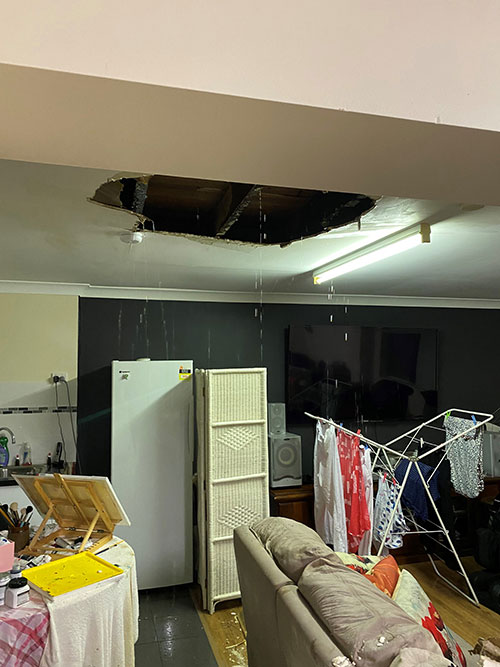
Once you’ve spotted water damage, figuring out the cause matters just as much as fixing the damage itself. Different causes point to different next steps, and identifying the source correctly also supports a smoother insurance claim.
A few signs can help point you in the right direction. A musty smell without visible water often points to a hidden leak, while stains that appear right after a storm usually trace back to roof or window intrusion. Sudden spikes in your water bill frequently signal a slab leak or a hidden pipe issue.
That said, water damage can spread quickly through walls, subfloors, and even to rooms that seem untouched, which is why guessing at the source isn’t ideal. Our team offers professional inspections that confirm the true cause and the full extent of the damage, even in areas you can’t see. For a closer look at how far damage can travel, see our guide: Hidden Water Damage: 12 Signs Florida Homeowners Should Never Ignore.
Is Water Damage From These Causes Covered by Insurance?
Coverage depends largely on how the damage happened. Sudden, accidental causes, like a burst pipe or a washing machine hose failure, are typically covered by standard homeowners insurance. Gradual causes, such as a slow roof leak or long-term neglect, are usually not covered, since insurers expect homeowners to maintain their property.
Storm and flood-related causes are a bit different. Damage from wind-driven rain may be covered under your homeowners policy, but flooding from storm surge typically requires separate flood insurance. Because coverage can vary so much by cause, proper documentation from the moment you notice damage makes a real difference in how your claim is handled. Our team can also walk you through how water damage typically spreads once it starts, which you can read more about here: How Water Damage Spreads Through a Home.
Florida climate warning: Because Florida’s humidity accelerates mold growth, water damage from any of these causes can lead to a secondary mold problem within 24 to 48 hours. Addressing the water source quickly protects both your home and your health.
How On the Spot Restoration Can Help
No matter which of these causes is behind your water damage, our team at On the Spot Restoration is ready to help. As a Florida-based, IICRC-certified restoration company, we’ve handled everything from burst pipes to full storm-related flooding across Daytona Beach, Ormond Beach, Port Orange, and Palm Coast. Explore our full Water Damage Restoration services to see how we can help restore your home.
We start every job with a thorough inspection to confirm the cause and the full scope of damage. Since water damage and mold often go hand in hand here in Florida, we also offer Mold Remediation services to make sure your home is fully protected, not just repaired. Our goal is simple: get your home back to normal as quickly and smoothly as possible, so this kind of disruption doesn’t happen again.
Already Dealing With Water Damage?
Get a free estimate from On the Spot Restoration and find out if your situation may be covered by insurance.
Frequently Asked Questions
What is the most common cause of water damage in homes?
Burst or leaking pipes are the most common cause of water damage in homes. They often happen behind walls or under floors, so leaks can go unnoticed until real damage appears. Regular plumbing checks help catch this early.
What causes water damage in Florida homes specifically?
Causes of water damage in Florida homes often include humidity-related moisture, hurricane and storm exposure, aging plumbing, and HVAC condensation. Florida's climate makes homes more vulnerable to these issues than in drier regions.
Can weather cause water damage even without flooding?
Yes. Wind-driven rain can force water through roofs, windows, and door seals even without flooding. Humidity alone can also worsen hidden leaks over time, making weather a factor even on non-stormy days.
How can I tell what caused my water damage?
Signs like musty odors, water stains, or rising water bills can hint at the cause, but hidden damage is hard to confirm without professional tools. A trained inspector can pinpoint the source and the full extent of the damage.
Is water damage from an old roof covered by insurance?
Usually not. Gradual damage from an aging or poorly maintained roof is typically excluded from standard homeowners insurance. Sudden damage from a storm-related roof failure is more likely to be covered.
Protect Your Florida Home Before Water Damage Strikes
Knowing the causes of water damage in Florida homes puts you one step ahead of costly repairs. Whether it’s an aging pipe, a hidden roof leak, or an approaching storm, catching the warning signs early can save you time, money, and stress. If you’re noticing any of these warning signs, or you’re already dealing with water damage, our team at On the Spot Restoration is available 24/7 across Florida to help. Contact us today for a free inspection and take the guesswork out of protecting your home.
Not Sure What’s Causing the Damage?
Our IICRC-certified technicians can pinpoint the source before it gets worse.