Hidden water damage after a hurricane is one of the most common problems we see in Florida homes. It’s often discovered days or weeks after the storm has passed. At On The Spot Restoration, we help homeowners across Daytona Beach, Ormond Beach, Port Orange, and Palm Coast find and fix this damage every storm season.
Understanding how hurricanes cause water damage helps you know where to look. Strong winds push rain through places that stay dry in normal weather. As a result, a home can look fine on the surface while water sits in the attic, the walls, and the insulation.
In this guide, we’ll explain how storms let water in, when the damage tends to show up, and what to check first. We’ll also cover how professionals find moisture you can’t see, and how hurricane damage fits into an insurance claim.
Key Takeaways
- Hurricanes force water into homes through small openings that are hard to spot, like roof flashing and window seals.
- Hidden damage often shows up days or weeks after the storm, not right away.
- Insulation, wall cavities, and attics hold moisture the longest.
- Mold can begin within 24 to 48 hours in Florida’s humid climate.
- Insurers treat wind damage and flood damage differently, so how water entered your home matters.
- A professional moisture inspection is the surest way to confirm what’s hiding in your walls and attic.
How Hurricanes Cause Hidden Water Damage
A hurricane doesn’t just flood a home from the ground up. It also pushes water in through the roof, the walls, and the windows. Here are the most common ways it happens. Still getting ready for the rest of the season? Our guide, Preparing for Hurricane Season in Florida, covers what to do before the next storm arrives.
Wind-Driven Rain Forced Through Tiny Openings
Hurricane winds start at 74 mph and can push rain sideways. That rain finds its way past roof flashing, window seals, and door thresholds that stay dry in normal weather. Because these gaps are small, water enters slowly and quietly. As a result, wind-driven rain damage inside the home often goes unnoticed until stains or odors appear.
Roof Damage You Can't See From the Ground
Lifted shingles, cracked flashing, and loose vent boots rarely show from the street. Yet each one can let water into the attic. Over time, that water soaks the insulation and the rafters. One quick sign your roof leaked during the hurricane is damp insulation or daylight showing through the roof deck. This is also why attic water damage after a storm is so easy to miss.
Storm Surge and Rising Water Wicking Into Walls
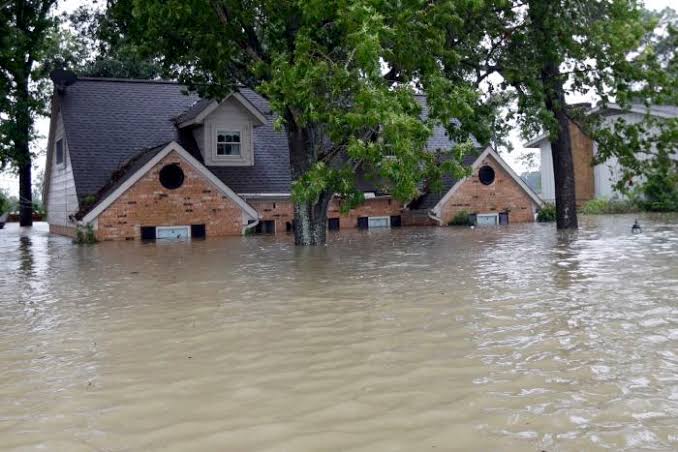
Storm surge brings a different problem. Even a few inches of water can wick up drywall and soak baseboards and insulation. Surge water is also contaminated, which makes it Category 3 water damage. In many cases, that means affected materials must be removed rather than simply dried.
Water Trapped in Wall Cavities and Insulation
Wet insulation acts like a sponge. It holds moisture against framing and drywall long after surfaces feel dry. Water trapped in wall cavities can’t evaporate easily, so it keeps feeding hidden damage. Saturated insulation and drywall are also where mold tends to start first.
Weathered the Storm but Not Sure About Your Home?
Get a free post-hurricane inspection from the On The Spot Restoration team
— available 24/7 across Florida.
Power Outages That Shut Down Your AC
Hurricanes often knock out power for days. Without air conditioning, indoor humidity climbs quickly in Florida’s climate. That slows drying and gives mold a head start. In other words, a power outage can turn a small leak into a much bigger moisture problem.
The Post-Hurricane Timeline: When Hidden Damage Shows Up
Hidden damage rarely appears right away. Instead, it shows up in stages. Knowing the timeline helps you decide when to act.
- First 24 to 72 hours: Insulation and framing stay wet. You may notice a faint musty odor, but surfaces often look normal.
- Week 1 to 2: Paint may bubble, stains may form on ceilings, and mold can begin on hidden surfaces.
- Weeks 3 to 4 and beyond: Drywall may warp, ceilings may sag, and a persistent musty smell can set in.
Because of this delay, hidden water damage after a hurricane can show up weeks later, long after the storm has passed. Mold can start within 24 to 48 hours in Florida’s humidity. For a closer look at mold timing, see our guide, How Quickly Does Mold Grow After Water Damage in Florida. If your home took on wind or water during the storm and hasn’t been inspected, that delay is exactly why it’s worth scheduling one now.
Post-Hurricane Inspection Checklist: What to Check First
After a storm, start with the places where hurricanes most often let water in. Stay safe, and skip any area that looks unsafe to enter, like a sagging ceiling. Here’s where to look:
- Attic: Look for wet insulation, damp rafters, and daylight at the roof deck.
- Ceilings below roof penetrations: Check around vents, chimneys, and skylights.
- Windows and exterior doors: Look for staining, swelling, or damp trim.
- Exterior wall bases and garage walls: These are common spots for wind-driven rain and surge.
- HVAC closet and air handler: Check for moisture after power loss.
- Baseboards and flooring near exterior walls: Look for lifting, cupping, or discoloration.
These checkpoints are specific to storms. For a broader list of warning signs that apply to any water damage, see our guide: Hidden Water Damage: 12 Signs Florida Homeowners Should Never Ignore.
Safety reminder: Never walk through standing water if outlets or appliances may still be energized. If you’re unsure, stay out and call a professional.
How Professionals Find Hidden Hurricane Water Damage
Even a careful walkthrough can miss moisture inside walls and under floors. That’s why a professional hurricane damage inspection relies on specialized tools. At On The Spot Restoration, our IICRC-certified technicians use three main methods.
- Moisture meters: These take moisture readings behind walls and under flooring, without opening anything up.
- Thermal imaging: Cooler, wet areas show up on camera even when surfaces look dry.
- Moisture mapping: We chart the affected area so drying targets exactly the right spots.
Once moisture is located, the next steps are emergency water extraction and structural drying. To see how every stage works, read our Water Damage Restoration Process guide. The sooner this starts, the lower the chance that mold will take hold.
Hurricane Water Damage and Your Insurance Claim
Insurance treats wind and flood damage differently. Wind-driven rain damage is typically handled under a standard homeowners policy. Storm surge and flooding, on the other hand, usually require separate flood insurance. Because of this, how the water entered your home matters.
Hidden damage adds another wrinkle. Moisture may not be visible when you first file. As a result, you may need a supplemental claim once the full extent is found. Photos, moisture readings, and written inspection reports all help document the damage, even before it’s visible.
Coverage varies by policy, so check yours or ask your insurer. For the full process, see our guides on how to file a water damage insurance claim and why claims get denied.
Hurricane Water Damage Restoration in Florida: How We Help
When a storm hits, speed matters. Our Storm & Hurricane Response team is available 24/7 across Daytona Beach, Ormond Beach, Port Orange, and Palm Coast. We start with a full inspection, then handle water extraction, structural drying, and repairs.
Our Water Damage Restoration services also cover the hidden moisture that storms leave behind. If mold has already started, we offer mold remediation as well. That way, the root cause gets fixed, not just the visible damage.
Hurricane Damage? Let Us Take a Look
On The Spot Restoration has helped Florida homeowners recover after storms. Get a free estimate today.
Frequently Asked Questions
How do hurricanes cause hidden water damage?
Hurricanes push rain sideways through roof flashing, window seals, and door gaps. Storm surge can also wick into walls. This water often collects in attics, insulation, and wall cavities, where it stays hidden until stains or odors appear.
How do I know if my home has hidden water damage after a hurricane?
Check the attic, ceilings, window and door trim, and exterior walls for dampness, stains, or musty odors. Since moisture often hides inside walls, a professional inspection with moisture meters and thermal imaging is the most reliable way to confirm.
How long does it take for mold to grow after a hurricane?
Mold can begin growing within 24 to 48 hours after water exposure, especially in Florida's humidity. It may not become visible for a week or more, which is why early inspection and drying matter.
Does homeowners insurance cover hidden hurricane water damage?
It depends on how the water entered. Wind-driven rain damage is typically covered under standard policies, while flooding usually requires separate flood insurance. Hidden damage may need a supplemental claim once it's found.
When should I call a professional after hurricane flooding?
Call right away if water entered your home, if you smell mustiness, or if materials stayed wet for over 24 hours. Flood water is often contaminated, so professional extraction and drying protect both your home and your health.
Don't Let Hidden Water Damage After a Hurricane Go Unnoticed
The storm may be over, but hidden moisture keeps working long after the winds die down. Catching hidden water damage after a hurricane early can save you time, money, and stress. Our team at On The Spot Restoration is available 24/7 across Florida to inspect, dry, and restore your home. Contact us today for a free inspection and let us help you find what’s hiding.
Don’t Wait for Stains to Appear
Our certified team can find moisture you can’t see. Schedule a post-storm inspection today.