Mold in Florida homes is one of the most common issues we help homeowners deal with, thanks to the state’s year-round humidity and frequent storms. At On The Spot Restoration, we see this every day across Daytona Beach, Ormond Beach, Port Orange, and Palm Coast.
This Florida mold guide brings together everything you need to know in one place: why mold shows up so often here, how to spot it, which types matter most, and what to do about it. Think of this as your starting point.
Along the way, we’ll link out to our more detailed guides on specific topics, so you can dig deeper wherever you need to. And if you’re dealing with mold right now, we’ll show you exactly how our team can help.
Key Takeaways
- Mold in Florida homes is common because of year-round humidity, frequent storms, and near-constant AC use.
- Not all mold looks the same, and not all of it poses the same level of risk, so knowing what you’re dealing with matters.
- Mold often hides in places you can’t see, like behind drywall or inside HVAC systems.
- Prevention is especially important in Florida’s climate, since the conditions that cause mold rarely go away on their own.
- A professional inspection is the fastest way to know exactly what you’re dealing with and what it will take to fix.
Why Mold Is So Common in Florida Homes
Before we get into the specifics, it helps to understand why mold in Florida homes is so widespread in the first place. A few local factors make this state especially mold-prone.
- Year-round humidity: Florida’s average relative humidity stays high most months, giving mold spores the moisture they need to grow indoors.
- Hurricane season: Heavy rain and storm-related water intrusion create the perfect conditions for mold to take hold quickly.
- Near-constant AC use: Since air conditioning runs almost year-round here, condensation-related moisture is a frequent, often overlooked cause.
- Coastal proximity: Homes near the coast face additional humidity and moisture exposure from salt air.
Because of all this, mold isn’t really a seasonal problem in Florida the way it is in other states. It’s a year-round risk, which is exactly why prevention and early detection matter so much here.
How to Spot Mold in Your Home
Mold isn’t always visible, and some signs are easy to miss until the problem has grown. A musty smell, discoloration, or even unexplained allergy symptoms can all be early clues. For the full list of signs to watch for, see our guide: The Common Signs of Mold Growth You May Not Know.
Is All Mold in Florida Dangerous?
Not all mold poses the same level of risk. Some common household mold is more of a nuisance than a health hazard, while other types, like black mold, call for more caution and a faster response. We’ve covered the differences in detail in our guides, Black Mold vs Common Household Mold: How to Tell the Difference, and Can Mold Make You Sick? Symptoms Homeowners Should Know, so you can understand what you’re dealing with before deciding on next steps.
Where Mold Hides in Florida Homes
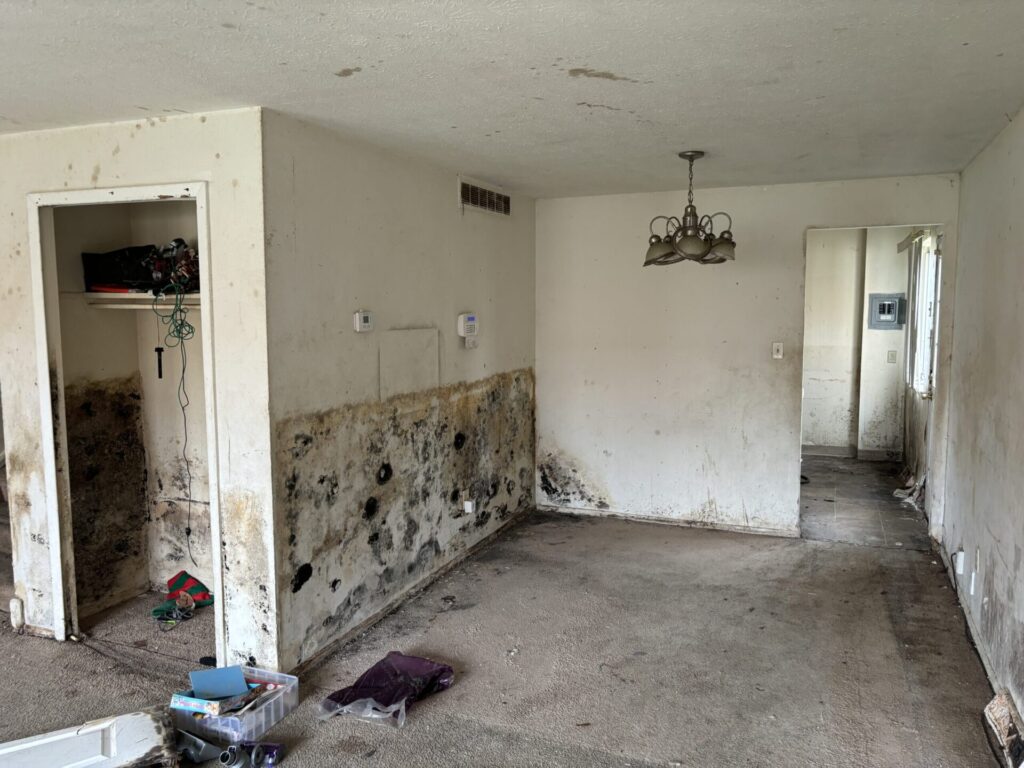
Some of the most persistent mold problems happen out of sight, behind walls, under flooring, or inside HVAC systems. This is part of what makes dealing with mold in a Florida home tricky. It’s often further along than it looks by the time it’s noticed. We break down exactly how this happens in our guide, Can Mold Grow Behind Drywall?, including the warning signs to watch for even when you can’t see the mold itself.
How to Get Rid of Mold and Mold Odors
A lingering musty smell is often a sign of a mold problem, even before any mold is visible. If you’re noticing an odor you can’t quite place, our guide, How to Remove Mold Smell From a House, walks through where these smells come from and how to address them properly, rather than just masking them.
Not Sure If It’s Mold or Just Musty Air?
Let our certified team confirm what’s really going on in your home.
Preventing Mold in Florida's Humid Climate
Prevention matters more in Florida than in almost any other state, simply because the conditions that cause mold, humidity, heat, and moisture, don’t really go away. Basic habits like running a dehumidifier, keeping up with HVAC maintenance, and improving ventilation in problem areas can go a long way. For a full, room-by-room prevention checklist, see our guide, The Ultimate Mold Prevention Checklist for Florida Homeowners.
Coastal Homes and Mold Risk
If you live near the coast, your home may face even higher mold risk than homes further inland. Salt air and elevated humidity levels both contribute to faster moisture buildup. We cover what makes coastal properties different, and what to do about it, in our guide, Mold Risks for Coastal Homes in Florida.
How Much Does Mold Remediation Cost?
Once mold has been confirmed, cost is usually the next big question. Pricing depends on the size of the affected area, the type of mold, and its location in your home. For a full cost breakdown by severity, see our guide: How Much Does Mold Remediation Cost? A Florida Homeowner’s Guide.
Helpful reminder: Mold can begin developing within 24 to 48 hours after water exposure in Florida’s humid climate. Addressing moisture quickly is one of the best ways to avoid a bigger problem later.
How On The Spot Restoration Can Help
Whether you’re just starting to notice signs of mold or you already know you need remediation, our team is ready to help. As a Florida-based, IICRC-certified company, our Mold Remediation team serves homeowners across Daytona Beach, Ormond Beach, Port Orange, and Palm Coast.
Since mold so often follows water damage here in Florida, we also offer full Water Damage Restoration services, so the root cause gets addressed, not just the mold itself. Our goal is simple: help you fix the problem at its source, so it doesn’t come back.
Water Damage Restoration Equipment: What Professionals Use
Professional restoration relies on equipment most homeowners don’t have on hand, including truck-mounted extraction units, industrial air movers, commercial dehumidifiers, and moisture meters that can detect dampness behind walls.
A shop vac and a few box fans can help in a very minor situation, but they typically can’t dry a structure thoroughly enough to prevent hidden moisture or mold. If you’re ever unsure whether a job calls for professional equipment, our team is happy to take a look and let you know honestly, before any work begins.
Water Damage Restoration and Your Insurance Claim
Documentation happens at nearly every stage of the water damage restoration process, not just at the start. Photos from the inspection, moisture readings, and your final restoration estimate all become part of your insurance claim file. Our team keeps this documentation organized throughout the process, so you’re not scrambling to piece it together later.
Choosing a Water Damage Restoration Company
Not every company handles the water damage restoration process the same way, so it helps to know what to look for. IICRC certification, proper licensing and insurance, 24/7 availability, and transparent, itemized estimates are all good signs. On The Spot Restoration checks every one of these boxes, and our Water Damage Restoration team proudly serves homeowners across Daytona Beach, Ormond Beach, Port Orange, and Palm Coast.
Since water damage and mold often go hand in hand here in Florida, we also offer Mold Remediation services to make sure your home is fully protected, not just repaired.
Ready to Deal With Mold the Right Way?
On The Spot Restoration offers transparent, upfront mold remediation pricing across Florida.
Frequently Asked Questions
Why is mold so common in Florida?
Mold in Florida homes is common because of year-round humidity, frequent storms, and near-constant air conditioning use. These conditions give mold spores the consistent moisture they need to grow indoors.
How do I know if I have mold in my house?
Common signs include a musty odor, visible discoloration, peeling paint, or unexplained allergy symptoms. Mold often grows in hidden areas too, so a professional inspection is the most reliable way to confirm it.
Is all mold in Florida dangerous?
Not all mold poses the same risk. Common household mold is often more of a nuisance, while types like black mold require more caution. Testing can help identify exactly what you're dealing with.
How can I prevent mold in a humid climate?
Running a dehumidifier, maintaining your HVAC system, and improving ventilation in problem areas all help. In Florida's climate, consistent prevention habits matter more than occasional deep cleaning.
When should I call a professional for mold?
Call a professional if mold covers a large area, keeps returning, or you notice a musty smell without a visible source. Professionals can also test for mold type and identify hidden growth.
Mold in Florida Homes Doesn't Have to Be Overwhelming
Mold in Florida homes is common, but it’s also manageable once you know what to look for and what to do next. From spotting the early signs to understanding prevention and remediation costs, this guide gives you a solid starting point. If you’re dealing with mold right now, our team at On The Spot Restoration is available 24/7 across Florida to help. Contact us today for a free inspection and let us help you get your home back to normal.
Trust a Certified Local Team
On The Spot Restoration has helped homeowners across Daytona Beach, Ormond Beach, Port Orange, and
Palm Coast through every step of this process.