Mold is a common problem in many homes, especially in humid environments. While some homeowners view mold as a cosmetic issue, it can actually affect your health and indoor air quality. Mold thrives in damp environments, and once it begins to grow, it can spread quickly.
Many people ask us at On The Spot Restoration, “Can mold make you sick?” The short answer is yes. Mold exposure can lead to several health problems, especially when mold spores circulate through the air inside your home.
Understanding the symptoms of mold exposure can help homeowners recognize a problem early and seek professional mold remediation before it becomes more serious.
Key Takeaways
- Mold in your house can make you sick, especially with prolonged exposure.
- Common mold exposure symptoms include headaches, coughing, and sinus congestion.
- Mold spores can reduce indoor air quality and trigger allergic reactions.
- Hidden mold growth often occurs behind walls, ceilings, or flooring.
- Professional mold remediation helps eliminate mold safely and prevent it from returning.
How Mold Exposure Affects Your Health
Mold exposure can affect people in different ways. Some individuals may experience mild symptoms, while others develop stronger reactions depending on their sensitivity.
When mold grows inside a home, it releases tiny particles called mold spores into the air. These spores can spread through ventilation systems and settle throughout the property. As a result, homeowners may unknowingly breathe them in.
Over time, breathing in mold spores can lead to respiratory irritation, allergic reactions, and other health problems. This is especially true when mold infestation is present for long periods without proper cleanup.
At On The Spot Restoration, we often see homeowners discover mold after noticing health symptoms first. Therefore, recognizing the early warning signs is extremely important.
Common Symptoms of Mold Exposure
The symptoms of mold exposure can vary from person to person. However, there are several common signs that mold may be affecting your health.
Many homeowners initially notice mild symptoms. Unfortunately, these symptoms often become worse as mold continues to grow and release spores.
Some of the most common mold sickness symptoms include:
- Persistent coughing
- Sneezing and nasal congestion
- Sinus headaches
- Eye irritation or redness
- Skin irritation
- Fatigue or headaches
In some cases, people with asthma or allergies may experience increased respiratory symptoms. Mold exposure can trigger asthma attacks or breathing difficulties.
If these symptoms appear suddenly and worsen when you are at home, mold may be affecting your indoor air quality.
Signs Mold in Your House Is Making You Sick
Sometimes it can be difficult to connect health symptoms to mold in your home. However, certain patterns can suggest that mold is the cause.
For example, symptoms often improve when you leave the house for work or travel. Then they return once you spend time indoors again. This pattern may indicate that mold spores in the home environment are causing the reaction.
In addition to health symptoms, homeowners may also notice signs of mold growth, such as:
- Musty odors
- Dark spots on walls or ceilings
- Increased humidity indoors
- Peeling paint or warped surfaces
These warning signs often indicate hidden mold growth behind walls or beneath flooring.
If you suspect mold but are unsure how to identify it, our blog “The Common Signs of Mold Growth You May Not Know” explains several hidden warning signs.
Why Mold Grows in Homes (Especially in Humid Areas)
Mold grows whenever moisture and organic materials are present. Unfortunately, many homes provide the perfect environment for mold growth.
Areas that are most vulnerable include:
- Bathrooms
- Basements
- Kitchens
- Attics
- Areas affected by water damage
High humidity levels also increase the risk of mold infestation. This is why mold problems are especially common in humid climates such as Florida.
Moisture from water leaks, roof damage, plumbing problems, or flooding often leads to mold growth. Once mold begins growing, it can spread quickly through porous materials like drywall, wood, and insulation.
If your home has experienced water damage, it is important to address it immediately. Our article “How Quickly Does Mold Grow After Water Damage in Florida” explains how fast mold can develop after a leak.
Proper moisture control and fast water damage restoration are essential for preventing mold.
Who Is Most At Risk from Mold Exposure
Some homeowners attempt DIY mold removal using household cleaning products. While this may remove surface stains temporarily, it rarely solves the root problem.
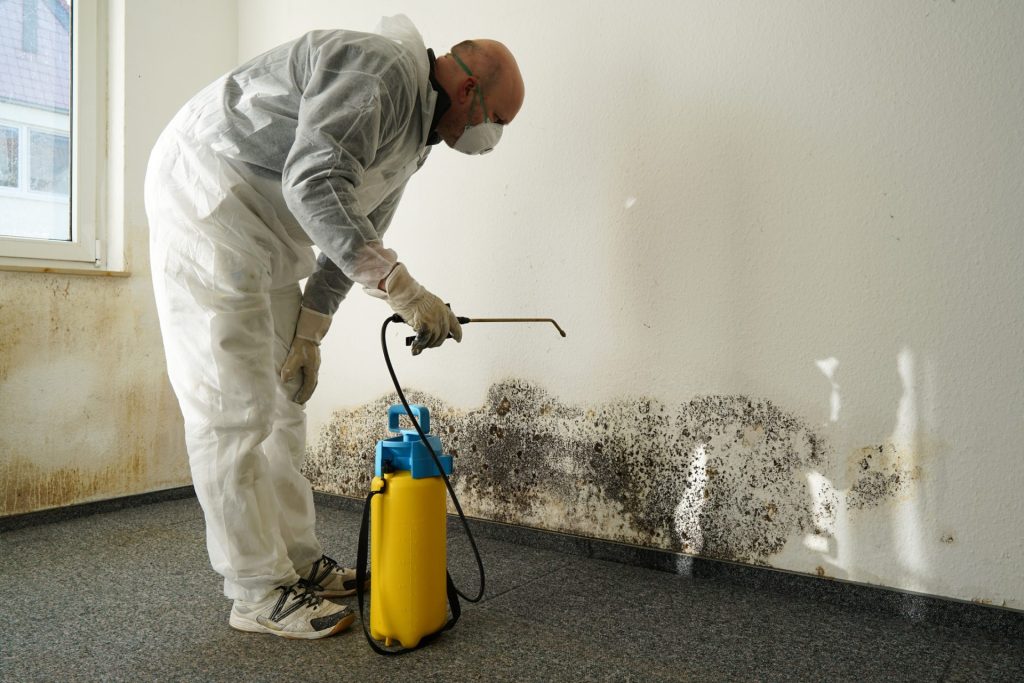
Mold often grows behind walls, inside insulation, or under flooring. Without professional tools, it is difficult to locate and eliminate hidden mold colonies.
Professional mold remediation services focus on:
- Identifying moisture sources
- Removing contaminated materials
- Containing mold spores
- Improving indoor air quality
- Preventing future mold growth
At On The Spot Restoration, we use specialized equipment and industry-approved methods to remove mold safely.
Our team also identifies underlying moisture problems to ensure the issue does not return.
Protect Your Health with Professional Mold Remediation
Mold growth inside your home is more than just a cosmetic issue. Over time, mold spores can affect indoor air quality and lead to various health symptoms. Headaches, allergies, respiratory irritation, and fatigue may all be linked to mold exposure.
The good news is that early detection and professional mold remediation can protect both your health and your home. Addressing moisture problems quickly prevents mold from spreading and reduces the risk of long-term damage.
At On The Spot Restoration, our experienced team specializes in identifying mold problems and restoring healthy living environments for homeowners.
Frequently Asked Questions
Can mold in your house make you sick?
Yes. Mold in your house can make you sick because mold spores release allergens and irritants into the air. Breathing in these spores may cause coughing, headaches, sinus congestion, and respiratory irritation. Long-term exposure can also worsen asthma and allergies, especially in humid homes where mold grows easily.
What are the symptoms of mold exposure?
Common symptoms of mold exposure include sneezing, coughing, headaches, sinus congestion, eye irritation, and skin rashes. Some people may also experience fatigue or breathing problems. These symptoms often worsen indoors if mold spores are present in the home’s air.
How do you know if mold is making you sick?
You may suspect mold is making you sick if your symptoms improve when you leave the house and return when you are indoors. Musty odors, visible mold spots, and high humidity are also warning signs of mold growth affecting indoor air quality.
Is breathing in mold dangerous?
Breathing in mold spores can be harmful, especially for people with asthma, allergies, or weakened immune systems. Mold exposure may trigger respiratory irritation, allergic reactions, and sinus infections. Long-term exposure can also worsen existing breathing conditions.
When should you call a mold remediation professional?
You should call a mold remediation professional if you see visible mold growth, smell persistent musty odors, or experience mold exposure symptoms. Professionals can locate hidden mold, remove contamination safely, and improve indoor air quality to prevent mold from returning.
Contact On The Spot Restoration for Expert Mold Removal
If you suspect mold growth or are experiencing symptoms of mold exposure, do not ignore the warning signs. Mold can spread quickly and continue affecting your home’s air quality.
On The Spot Restoration provides professional mold inspections, remediation, and moisture control solutions to keep your home safe.
Contact our team today to schedule a professional inspection and restore clean, healthy air inside your home.