Many homeowners assume that if they cannot see mold, it is not there. However, mold often grows in hidden spaces, especially inside walls. One of the most common places for hidden mold growth is behind drywall.
At On The Spot Restoration, we frequently help homeowners discover mold problems that were not visible on the surface. Moisture can become trapped inside walls, creating the perfect environment for mold infestation. Over time, this hidden mold can spread and affect both your home and your health.
So, can mold grow behind drywall? Yes—and it is more common than most people think.
Key Takeaways
- Mold can grow behind drywall due to hidden moisture and water leaks.
- Mold behind drywall often develops without visible signs.
- Musty odors and health symptoms may indicate hidden mold.
- Mold spores can affect indoor air quality and health.
- Professional mold remediation is often required to remove hidden mold safely.
How Mold Grows Behind Drywall
Mold needs three things to grow: moisture, organic material, and time. Unfortunately, drywall provides all of these conditions when exposed to water.
Drywall contains paper backing, which acts as a food source for mold. When moisture from leaks or humidity enters wall cavities, mold spores can begin growing quickly. In many cases, this happens without any visible signs on the surface.
Moisture can come from several sources, including water leaks, roof damage, plumbing issues, or high humidity levels. Once moisture is trapped inside walls, it creates a hidden environment where mold thrives.
If your home has experienced water damage, mold growth can begin quickly. Our article “How Quickly Does Mold Grow After Water Damage in Florida” explains how fast mold can develop in these conditions.
Signs of Mold Behind Drywall
Because mold behind drywall is hidden, it can be difficult to detect. However, there are several warning signs that may indicate a problem inside your walls.
Homeowners often notice subtle changes before visible mold appears. These signs should not be ignored, as they often point to hidden moisture problems.
Common signs of mold behind drywall include:
- Musty or damp odors
- Peeling paint or wallpaper
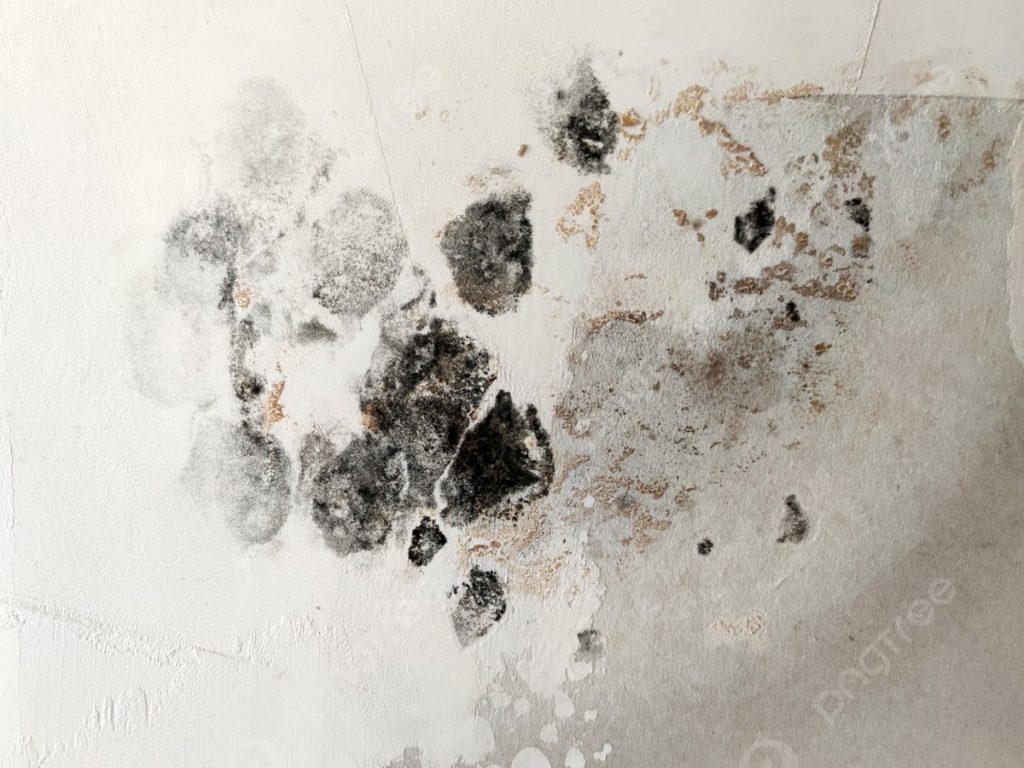
- Discoloration on walls or ceilings
- Warped drywall or soft spots
- Increased allergy symptoms indoors
These symptoms suggest that mold may be growing inside wall cavities. Additionally, persistent odors are often one of the earliest indicators of mold infestation.
If you want to learn more about early warning signs, our blog “The Common Signs of Mold Growth You May Not Know” provides helpful insights.
What Causes Mold Inside Walls
Mold growth inside walls is almost always caused by moisture. However, many homeowners are unaware of how moisture enters these hidden spaces.
Small leaks are one of the most common causes. Even a slow drip from a pipe can introduce enough moisture to support mold growth. Over time, this moisture accumulates inside drywall and insulation.
Other causes include:
- Roof leaks
- Flooding or water damage
- Poor ventilation
- High indoor humidity
- Condensation inside walls
In humid climates, such as Florida, mold problems are even more common. High humidity levels can lead to moisture intrusion and condensation, which encourages mold growth behind walls.
Understanding these causes is essential for prevention. Addressing water damage quickly can reduce the risk of hidden mold.
Health Risks of Hidden Mold Behind Drywall
Hidden mold is not just a structural issue. It can also impact your health and well-being. Mold releases spores into the air, which can spread throughout your home.
As a result, homeowners may experience symptoms without knowing the cause. These symptoms are often linked to poor indoor air quality and mold exposure.
Common health effects include:
- Sneezing and coughing
- Sinus congestion
- Headaches
- Eye irritation
- Respiratory problems
For individuals with allergies or asthma, mold exposure can be more severe. Long-term exposure to mold spores may worsen existing conditions.
To better understand different types of mold and their risks, you can read our guide “Black Mold vs Common Household Mold: How to Tell the Difference”.
Protecting your indoor air quality is essential for maintaining a healthy home.
How to Detect Mold Behind Walls
Detecting mold behind drywall requires more than a visual inspection. Since mold is hidden, specialized tools are often needed to locate it.
Professionals use equipment such as moisture meters and thermal imaging cameras. These tools help identify areas with hidden moisture and potential mold growth.
Homeowners can also look for indirect signs, such as:
- Persistent musty smells
- Unexplained health symptoms
- Visible water damage
- Increased humidity levels
However, these signs alone may not confirm mold. A professional inspection ensures accurate detection and prevents unnecessary damage to walls.
If you suspect hidden mold, early detection is key to minimizing damage and repair costs.
How to Remove Mold Behind Drywall Safely
Removing mold behind drywall is not a simple DIY task. In many cases, affected materials must be removed to fully eliminate mold growth.
Professional mold remediation involves several steps:
- Identifying the moisture source
- Containing the affected area
- Removing contaminated drywall and insulation
- Cleaning and sanitizing surfaces
- Drying the area thoroughly
Attempting to remove mold without proper equipment can spread spores and worsen the problem. That is why professional services are recommended for hidden mold issues.
To prevent mold from returning, it is also important to control moisture.
Our guide “The Ultimate Mold Prevention Checklist for Florida Homeowners” provides practical tips for maintaining a mold-free home.
Protect Your Home from Hidden Mold Problems
Mold behind drywall is a serious issue that many homeowners overlook. Because it is hidden, it can grow undetected for long periods. Over time, it can damage your home and affect your health.
The key to preventing mold is addressing moisture problems early. Regular inspections, proper ventilation, and quick response to water damage can reduce the risk.
At On The Spot Restoration, we help homeowners identify hidden mold and restore safe living conditions. Our team uses advanced tools to detect moisture and provide effective mold remediation solutions.
Frequently Asked Questions
1. Can mold grow behind drywall without visible signs?
Yes, mold can grow behind drywall without visible signs. It thrives in hidden areas where moisture is present, such as inside wall cavities. Homeowners may only notice musty odors or health symptoms before seeing any visible mold.
2. What causes mold behind drywall?
Mold behind drywall is usually caused by moisture from water leaks, high humidity, condensation, or past water damage. When drywall absorbs moisture, it creates the perfect environment for mold growth, especially in poorly ventilated areas.
3. How do you know if mold is behind your walls?
Signs of mold behind walls include musty odors, peeling paint, warped drywall, and increased allergy symptoms indoors. Persistent moisture or unexplained health issues may also indicate hidden mold growth behind drywall.
4. Is mold behind drywall dangerous?
Yes, mold behind drywall can be dangerous. It releases mold spores into the air, which can affect indoor air quality. Exposure may cause respiratory problems, allergies, headaches, and other health issues, especially for sensitive individuals.
5. How do professionals remove mold behind drywall?
Professionals remove mold behind drywall by identifying the moisture source, containing the affected area, removing contaminated materials, and thoroughly cleaning and drying the space. This process ensures mold is eliminated safely and prevents it from returning.
Contact On The Spot Restoration for Professional Mold Removal
If you suspect mold behind your drywall, do not wait for the problem to worsen. Hidden mold can spread quickly and affect your home’s structure and indoor air quality.
On The Spot Restoration is here to help with expert mold inspection and remediation services. Our team will locate hidden mold, remove it safely, and prevent it from returning.
Call us today or schedule a professional mold inspection to protect your home and your health.