Mold is one of the most common problems Florida homeowners face, especially in humid coastal environments. However, not all mold is the same. Many people search for answers about black mold vs common household mold, because the appearance and potential health risks can be confusing.
At On The Spot Mold Restoration, we regularly help families dealing with mold growth in homes after leaks, storms, or hidden moisture. While some mold is relatively mild, other forms, such as black mold, require urgent professional attention. Understanding the difference between black mold vs mold can help you protect your home and your health.
Key Takeaways
- Black mold and common household mold often look similar, but the risks can differ.
- Knowing the signs of black mold helps homeowners act quickly and safely.
- Mold growth in homes is often linked to moisture, leaks, and water damage.
- Black mold exposure symptoms may include respiratory irritation and allergy-like reactions.
- Professional mold inspection services are the safest way to identify mold types.
- On The Spot Mold Restoration provides trusted black mold removal in Florida.
Why Mold Is So Common in Florida Homes?
Florida’s warm climate and high humidity create the perfect environment for mold growth. Even small water intrusions can lead to mold colonies forming quickly. This is why mold is often associated with water damage restoration, water damage repair, and water damage cleanup services.
Mold thrives in damp areas such as bathrooms, attics, crawl spaces, and behind walls. Coastal home mold problems are especially common due to high humidity. Preventing mold starts with addressing leaks and moisture early, before an emergency water damage situation occurs.
What Is A Common Household Mold?
Common household mold refers to the types of mold that grow indoors when moisture is present. These molds may appear green, white, gray, or even black, leaving homeowners feeling uncertain.
While common mold can still irritate, it is not always considered “toxic mold.” However, it should never be ignored. Mold growth in homes can damage building materials, lower indoor air quality, and worsen allergies over time.
If you notice mold spreading, contacting mold removal services early can prevent larger restoration costs.
What Is Black Mold?
Black mold is often associated with the species Stachybotrys chartarum. It typically grows in areas with long-term moisture exposure, such as water-damaged drywall or soaked wood. Black mold has attracted attention due to its potential health effects.
That said, not every black-colored mold is toxic. This is why professional mold inspection services are essential. The key is understanding the difference between black mold and regular mold, rather than relying on color alone.
Signs of Black Mold vs Regular Mold
Recognizing the signs of black mold can help you determine when urgent action is needed. However, mold identification is not always simple, since many molds look similar.
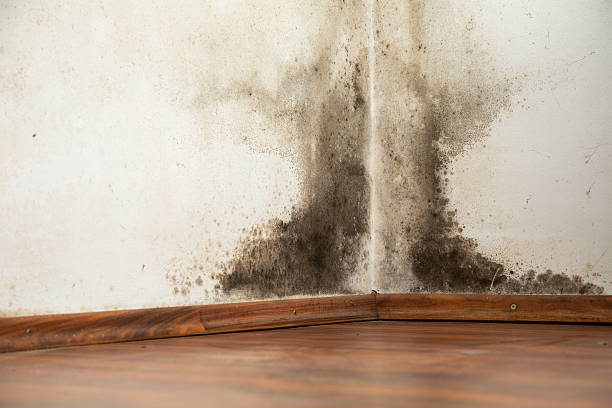
Black mold often appears as dark patches with a slimy texture, especially in areas with persistent moisture. Regular household mold may look powdery or fuzzy. Both types can spread quickly if moisture remains untreated, which is why professional mold remediation is recommended.
If you suspect black mold, avoid disturbing it, as spores can become airborne.
Black Mold Symptoms and Health Risks
One reason homeowners worry about toxic mold vs regular mold is the potential health impact. The health risks of black mold may include respiratory irritation, headaches, coughing, and allergy-like symptoms.
Symptoms of mold exposure vary from person to person. Children, the elderly, and individuals with asthma may experience stronger reactions. Even common mold can be harmful in large amounts, which answers an important question: Can common mold be harmful? Yes, especially when exposure is prolonged.
Improving indoor air quality starts with addressing mold at its source.
How Mold Growth Is Linked to Water Damage
Mold does not grow without moisture. Most mold problems begin after leaks, flooding, or unnoticed humidity buildup. This is why mold services often overlap with professional water damage restoration.
When moisture is not properly dried, mold can begin growing within 24 to 48 hours. Emergency water damage cleanup helps reduce mold risk, but if mold is already present, professional mold remediation becomes necessary.
In Florida homes, this connection between water damage repair and mold removal is extremely common.
How Do Professionals Identify Mold Types?
Many homeowners ask, “How do professionals identify mold types?” The answer involves more than visual inspection. Certified specialists use moisture detection, air sampling, and surface testing to confirm mold presence and severity.
At On The Spot Mold Restoration, our Central Florida mold experts evaluate both the visible mold and the hidden moisture conditions causing it. This ensures the problem is fully resolved, not just temporarily cleaned.
Accurate identification prevents unnecessary risk and ensures proper remediation methods are used.
Should You Remove Mold Yourself?
Another frequent question is, “Should you remove mold yourself?” A small surface mold may seem manageable, but DIY removal can often make the problem worse.
Scrubbing mold without containment spreads spores into the air. Additionally, hidden mold behind walls or under flooring requires professional tools and safety protocols. When in doubt, contacting a local mold removal company is always the safest option.
Professional mold remediation protects both your property and your health.
Mold Inspection and Remediation Services in Florida
If you suspect black mold, scheduling an inspection is the best next step. Mold inspection services Florida homeowners rely on provide clarity, safety, and a plan of action.
Our team specializes in black mold removal Florida residents trust, including mold remediation Daytona Beach and surrounding coastal communities. We address both mold and the moisture source to prevent recurrence.
Frequently Asked Questions
How to tell if mold is black mold?
The best way to tell if mold is black mold is through professional inspection and testing. While black mold may appear as dark, slimy patches, many harmless molds can also look black. Professionals use sampling methods to confirm mold type and determine the safest remediation approach. Relying on appearance alone can lead to incorrect assumptions and increased health risks.
What does black mold look like?
Black mold often appears as dark green or black patches on damp drywall, wood, or insulation. It may have a slimy texture when moisture is present for long periods. However, mold appearance varies, and not all black-colored mold is toxic. A certified mold remediation company can properly identify the mold and recommend safe removal steps.
When should you call a mold remediation company?
You should call a mold remediation company as soon as you notice visible mold, musty odors, or persistent moisture issues. Mold spreads quickly in Florida’s humid climate, and delaying action can increase damage and health risks. Professional mold remediation ensures safe containment, removal, and long-term prevention.
Can common mold be harmful?
Yes, common household mold can still be harmful, especially for individuals with allergies, asthma, or weakened immune systems. Even non-toxic mold can reduce indoor air quality and cause respiratory irritation. Large mold growth should always be addressed professionally to protect your home and health.
How do professionals remove black mold safely?
Professionals remove black mold by isolating the affected area, using HEPA filtration, applying antimicrobial treatments, and removing contaminated materials when necessary. Containment prevents spores from spreading to other parts of the home. Post-remediation verification ensures the mold problem has been fully resolved.
Protect Your Home With On The Spot Mold Restoration, Trusted Black Mold Removal, and Mold Remediation in Florida
If you suspect mold in your home, don’t wait. On The Spot Mold Restoration provides expert mold inspection services, professional mold remediation, and black mold removal in Florida, including Daytona Beach and coastal areas.
Contact us today for fast, reliable help.
Let our team restore your home and protect your indoor air quality with trusted local expertise.