Water damage can happen suddenly. A burst pipe, roof leak, or appliance failure can quickly soak walls, flooring, and ceilings. However, many homeowners assume that if the water dries on its own, the problem is gone.
Unfortunately, untreated water damage can create serious issues inside your home. Over time, moisture spreads through materials and can weaken structures, encourage mold growth, and harm indoor air quality. At On The Spot Restoration, we often help homeowners who waited too long to repair water damage.
Understanding the risks of untreated water damage can help you act quickly and protect your property.
Key Takeaways
- Water damage gets worse over time if it is not repaired.
- Untreated water damage can cause mold infestation and health risks.
- Moisture can weaken drywall, wood, and structural components.
- Hidden water damage may spread to other rooms in the house.
- Fast water damage restoration prevents costly repairs.
Does Water Damage Get Worse Over Time?
Many homeowners ask an important question: Does water damage get worse over time? The answer is yes. Even if surfaces appear dry, moisture can remain trapped inside building materials.
Water slowly spreads through porous materials like drywall, wood, and insulation. As a result, these materials begin to break down. Over time, the damage can expand from one room to several areas of the home.
For example, a small leak inside a wall can lead to hidden moisture, wood rot, and structural deterioration. Additionally, trapped moisture can create the perfect environment for bacterial growth and mold spores.
Because of this, immediate water mitigation and structural drying are essential. Acting quickly prevents long-term damage and protects your home’s structural integrity.
How Water Damage Spreads Through a Home
Water rarely stays in one place. Instead, it follows gravity and spreads through floors, walls, and ceilings. As a result, damage can travel far beyond the original source of the leak.
For instance, water from a roof leak may first damage the attic. Soon after, it can seep into insulation and drywall. Eventually, it may reach lower levels of the house and affect the flooring or electrical systems.
This spreading effect is one reason homeowners underestimate the problem. The visible damage may appear small, yet hidden areas can already be affected. Moisture trapped inside materials can lead to drywall damage, rotting wood, and foundation problems.
If you want to understand this process better, you can read our guide on How Water Damage Spreads Through a Home (And Why One Room Isn’t the Only Problem).
By addressing water damage early, you can stop moisture before it spreads further.
Can Untreated Water Damage Cause Mold?
One of the biggest dangers of untreated water damage is mold growth. Mold spores naturally exist in the air. However, they quickly multiply when they find moisture and organic material.
In fact, mold can begin growing within 24 to 48 hours after water exposure. Once mold colonies develop, they can spread throughout the house through airborne spores.
Mold often grows in hidden areas such as:
- Behind drywall
- Under flooring
- Inside HVAC systems
- Beneath carpets and padding
Because of this, homeowners may not notice mold immediately. Instead, they may first detect musty odors or poor indoor air quality.
Mold exposure can also lead to health problems. Some people experience allergies, respiratory irritation, or headaches. For families with children or elderly members, mold exposure can be especially concerning.
To learn more about mold risks, you may also find our article helpful: Black Mold vs Common Household Mold: How to Tell the Difference.
Professional mold remediation and water damage restoration are often required to eliminate the problem safely.
Structural Damage Caused by Water Leaks
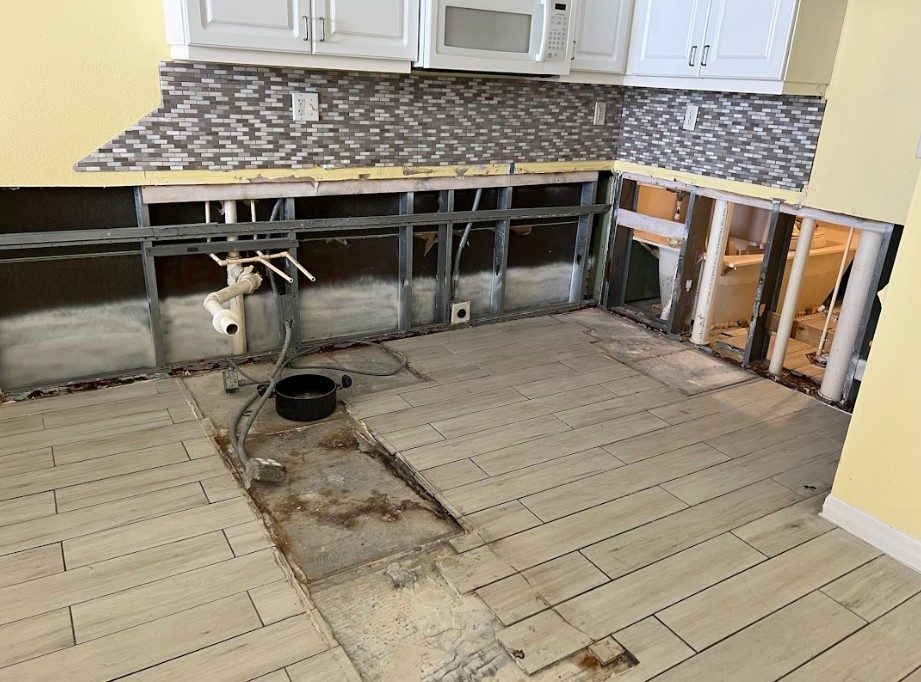
Water can seriously weaken the structural components of a home. Although the damage may not be visible at first, moisture gradually deteriorates building materials.
Wood framing is especially vulnerable. Continuous exposure to moisture causes wood fibers to break down and rot. Over time, this can compromise load-bearing structures.
Similarly, drywall absorbs water quickly. When it becomes saturated, drywall loses strength and may crumble or collapse. Floors can also warp, buckle, or separate.
In severe cases, untreated water damage may affect:
- Ceiling structures
- Subfloors
- Support beams
- Electrical wiring systems
These issues can lead to costly repairs. Therefore, professional water extraction, drying equipment, and moisture detection are necessary to prevent structural deterioration.
Ignoring the problem today could lead to major reconstruction tomorrow.
Health Risks of Untreated Water Damage
Water damage is not just a structural problem. It can also create serious health risks for homeowners and families.
When moisture lingers inside a home, it creates conditions that support bacteria, mold spores, and allergens. These contaminants can circulate through the air and affect indoor air quality.
Common symptoms linked to mold and water damage exposure include:
- Persistent coughing
- Allergy symptoms
- Eye irritation
- Skin irritation
- Respiratory discomfort
In addition, standing water can promote bacterial growth. Contaminated water from sewage backups or flooding may carry harmful microorganisms.
Because of these risks, professionals recommend immediate water damage restoration and sanitation after any major leak or flood.
Signs Water Damage Is Getting Worse
Sometimes homeowners overlook water damage because it seems minor. However, certain warning signs indicate the damage may be spreading.
Recognizing these signs early can help prevent larger problems.
Common signs include:
- Musty or damp odors
- Peeling paint or wallpaper
- Warped floors
- Discolored ceilings or walls
- Mold spots or mildew growth
- Increased humidity indoors
These symptoms often point to hidden water leaks or trapped moisture. In many cases, professional moisture detection tools are needed to locate the exact source.
Addressing these symptoms quickly can prevent expensive repairs and protect your home’s value.
Why Immediate Water Damage Restoration Is Important
Taking fast action after water damage can save homeowners thousands of dollars in repairs. The sooner restoration begins, the easier it is to remove moisture and prevent further damage.
Professional restoration companies use specialized equipment such as:
- Industrial water extraction systems
- Structural drying equipment
- Moisture meters
- Dehumidifiers and air movers
These tools remove hidden moisture that ordinary fans or household drying methods cannot reach.
At On The Spot Restoration, we focus on rapid response and thorough drying. Our goal is to stop mold growth, protect structural materials, and restore healthy indoor air quality.
Early action can make a major difference in the final cost and recovery time.
Protect Your Home with Fast Water Damage Restoration
Ignoring water damage is one of the most expensive mistakes a homeowner can make. Moisture spreads quickly, damages structural materials, and encourages mold growth. Over time, what begins as a small leak can become a serious restoration project.
At On The Spot Restoration, we specialize in fast, reliable water damage restoration and mold remediation. Our team helps homeowners stop damage early and restore their homes safely.
If you suspect hidden moisture, mold growth, or structural damage, do not wait.
Frequently Asked Questions
Does water damage get worse if it is not repaired?
Yes. Water damage gets worse over time if it is not repaired. Moisture spreads through drywall, wood, and insulation, causing structural damage and mold growth. Within 24–48 hours, untreated water damage can lead to mold infestation, poor indoor air quality, and costly repairs.
Can untreated water damage cause mold?
Yes. Mold can begin growing within 24 to 48 hours after water exposure. Untreated water damage creates moisture that allows mold spores to grow behind walls, under flooring, and inside insulation. Professional water damage restoration helps prevent mold growth and protects indoor air quality.
What are the dangers of ignoring water damage in a home?
Ignoring water damage can cause structural deterioration, mold growth, and health risks. Moisture can weaken drywall, rot wood, and damage flooring. Additionally, hidden water damage may spread to other areas of the house, increasing repair costs and creating indoor air quality problems.
How do you know if water damage is getting worse?
Common signs of worsening water damage include musty odors, peeling paint, warped floors, mold spots, and water stains on ceilings or walls. These symptoms often indicate hidden moisture behind surfaces. A professional inspection can detect the extent of water damage and prevent further problems.
Why is immediate water damage restoration important?
Immediate water damage restoration prevents mold growth, structural damage, and costly repairs. Restoration professionals use water extraction, dehumidifiers, and structural drying equipment to remove hidden moisture. Acting quickly helps protect your home, maintain indoor air quality, and stop water damage from spreading.
Contact On The Spot Restoration for Immediate Help
Our experienced restoration specialists are ready to inspect your property, identify hidden moisture, and begin the restoration process right away. With fast response and professional equipment, we help homeowners protect their property and avoid costly long-term damage.
Call On The Spot Restoration today or schedule your water damage inspection to restore your home with confidence.