Florida homeowners face one of the highest risks for indoor mold growth in the country. Warm temperatures, frequent storms, and constant humidity create the perfect conditions for mold to thrive. That is why having a clear mold prevention checklist is one of the most important steps you can take to protect your home.
At On The Spot Mold Restoration, we help families prevent mold problems before they become expensive repairs. With the right mold prevention tips, you can reduce moisture, improve indoor air quality, and avoid serious health risks. This guide explains how to prevent mold in Florida homes using practical, proven steps.
Key Takeaways
- Florida’s humidity makes mold prevention essential for homeowners.
- A consistent mold prevention checklist helps stop mold before it starts.
- Moisture control tips reduce the risk of mold growth in bathrooms, attics, and walls.
- Preventing mold after water damage requires fast water damage cleanup and drying.
- Professional mold inspection services help detect hidden mold early.
- On The Spot Mold Restoration provides trusted mold remediation in Daytona Beach and across Florida.
Why Florida Mold Prevention Requires Extra Attention
Florida’s environment is unique. The combination of coastal moisture, heavy rainfall, and hurricane season makes mold growth far more common than in other states. Even small leaks or condensation can quickly lead to mold colonies.
Because mold often follows water intrusion, Florida mold prevention is closely linked to water damage restoration, water damage repair, and water damage cleanup. If moisture is not removed quickly, mold can begin growing in as little as 24 to 48 hours. That is why emergency water damage response is essential for prevention.
What Is A Common Household Mold?
Common household mold refers to the types of mold that grow indoors when moisture is present. These molds may appear green, white, gray, or even black, leaving homeowners feeling uncertain.
While common mold can still irritate, it is not always considered “toxic mold.” However, it should never be ignored. Mold growth in homes can damage building materials, lower indoor air quality, and worsen allergies over time.
If you notice mold spreading, contacting mold removal services early can prevent larger restoration costs.
Step 1: Control Indoor Humidity Levels
Humidity is one of the biggest contributors to mold growth. When indoor humidity stays above 60%, mold spores can settle and multiply rapidly. Florida homeowners must stay proactive year-round.
Using air conditioning correctly, improving ventilation, and running dehumidifiers are key moisture control tips. Many people ask, ” Does a dehumidifier prevent mold?” The answer is yes, especially in humid climates like Florida. Keeping humidity between 30% and 50% helps prevent mold growth in homes.
Step 2: Inspect for Leaks and Water Intrusion
Hidden leaks are one of the most common causes of mold. Small plumbing drips under sinks or behind walls often go unnoticed until mold becomes visible. Regular inspections help stop problems early.
Checking appliances, water heaters, pipes, and roofs is part of smart home maintenance to prevent mold. If leaks are discovered, immediate water damage cleanup is essential. Acting quickly reduces the need for professional water damage restoration later.
Step 3: Focus on Bathroom Mold Prevention
Bathrooms are one of the most mold-prone areas in any Florida home. Steam, poor airflow, and damp surfaces allow mold to grow quickly. That is why homeowners often search for how to prevent mold in bathrooms.
Use exhaust fans during and after showers, wipe down wet surfaces, and repair grout cracks. These mold prevention steps reduce moisture buildup and improve indoor air quality. Regular bathroom maintenance can prevent costly mold remediation services Florida homeowners may need later.
Step 4: Maintain Proper Ventilation Throughout the Home
Air circulation is critical for preventing mold. Stagnant air allows moisture to linger, especially in closets, attics, and crawl spaces. Improving ventilation is one of the best ways to prevent mold growth in homes.
Open vents, ensure HVAC systems are functioning properly, and avoid blocking airflow with furniture. Coastal home mold problems often worsen when ventilation is poor. Proper airflow supports long-term mold prevention in Florida.
Step 5: Prevent Mold After Water Damage
One of the most important checklist steps is knowing how to respond after water damage. Mold prevention after water damage depends on speed. Moisture must be extracted, dried, and treated immediately.
Emergency water damage situations require professional help. Professional water damage restoration ensures hidden moisture is removed through structural drying and dehumidification. Prevent mold after water damage by calling experts quickly before mold has a chance to spread.
Step 6: Prepare for Hurricanes and Flooding
Florida homeowners must also consider storm-related risks. Many people ask how to prevent mold after a hurricane or flood, because water intrusion is common after major weather events.
Preparation includes sealing windows, cleaning gutters, checking drainage, and having an emergency plan. Flooding often requires both water damage restoration and mold remediation Daytona Beach homeowners trust. Storm readiness is a key part of mold prevention for homeowners.
Step 7: Schedule Professional Mold Inspections
Even with prevention, mold can grow in hidden areas. That is why professional mold inspection services are essential for early detection. Mold behind walls, under flooring, or inside HVAC systems may not be visible until damage is severe.
Homeowners often wonder, how often should you check for mold? In Florida, annual inspections are recommended, especially after leaks or storms. Mold inspection services Florida residents rely on provide peace of mind and early intervention.
Step 8: Know When to Call a Mold Remediation Company
A common long-tail question is when should you call a mold remediation company? The answer is as soon as mold spreads beyond a small surface area or causes health concerns.
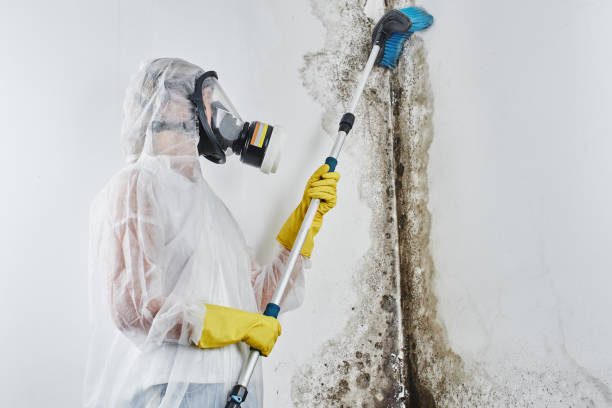
Mold exposure symptoms may include coughing, headaches, sinus irritation, and allergy flare-ups. The health risks of mold in homes should never be ignored. Professional mold remediation ensures safe containment, removal, and prevention of recurrence.
Step 9: Protect High-Risk Areas Like Attics and Crawl Spaces
Attics and crawl spaces are often overlooked, yet they are major mold risk zones. Poor insulation, roof leaks, and trapped humidity create ideal mold conditions.
Inspect these spaces regularly and ensure moisture barriers are intact. Central Florida mold experts often find mold growth in these areas long before homeowners notice. Preventive attention reduces the risk of black mold removal Florida homeowners may need later.
How On The Spot Mold Restoration Helps Florida Homeowners
At On The Spot Mold Restoration, we specialize in preventing and resolving mold problems across the state. From mold inspections to full remediation, our team provides trusted solutions tailored to Florida’s climate.
We offer professional mold remediation services Florida homeowners rely on, including black mold removal Florida residents need after water intrusion. Whether you are dealing with mold growth or want prevention guidance, our local mold removal company is here to help.
Frequently Asked Questions
What causes mold in Florida homes?
Mold in Florida homes is primarily caused by high humidity, leaks, poor ventilation, and storm-related water intrusion. Florida’s warm climate allows moisture to linger longer, creating ideal conditions for mold growth. Even small plumbing drips or condensation can lead to mold colonies. Preventive maintenance and moisture control are essential for long-term protection.
How to stop mold before it starts?
Stopping mold before it starts requires controlling indoor humidity, fixing leaks quickly, and improving ventilation. Using dehumidifiers, cleaning damp areas, and scheduling regular inspections are key steps in mold prevention. Florida homeowners should also prepare for hurricane season, since storm water damage often triggers mold growth.
Does a dehumidifier prevent mold?
Yes, a dehumidifier can help prevent mold by lowering indoor moisture levels. Mold thrives when humidity exceeds 60%, which is common in Florida. Keeping humidity between 30% and 50% makes it harder for mold spores to grow. Dehumidifiers are especially helpful in basements, bathrooms, and coastal homes.
When should you call a mold remediation company?
You should call a mold remediation company if mold covers more than a small area, returns repeatedly, or causes health symptoms. Professional remediation is also necessary after major water damage or flooding. Experts use containment, HEPA filtration, and antimicrobial treatments to safely remove mold.
How to prevent mold after a hurricane or flood?
Preventing mold after a hurricane requires immediate water extraction, drying, and professional cleanup. Mold can begin growing within 24 to 48 hours if moisture remains. Emergency water damage restoration and inspection services help prevent long-term mold problems and protect indoor air quality.
Stop Mold Before It Spreads — Call On The Spot Mold Restoration Today: Florida’s Mold Experts
Don’t wait until mold becomes a serious problem. On The Spot Mold Restoration provides expert mold inspections, professional mold remediation, and black mold removal in Florida, including Daytona Beach and coastal communities.
Contact us today for fast, reliable support.
Let our Central Florida mold experts help you keep your home safe, healthy, and mold-free.